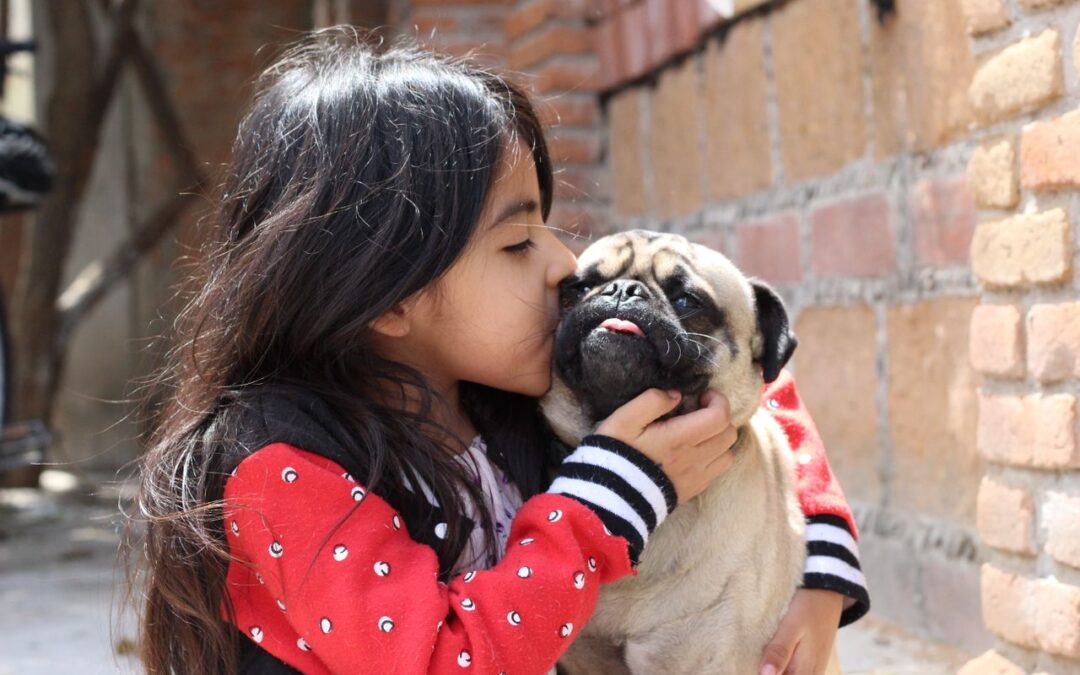
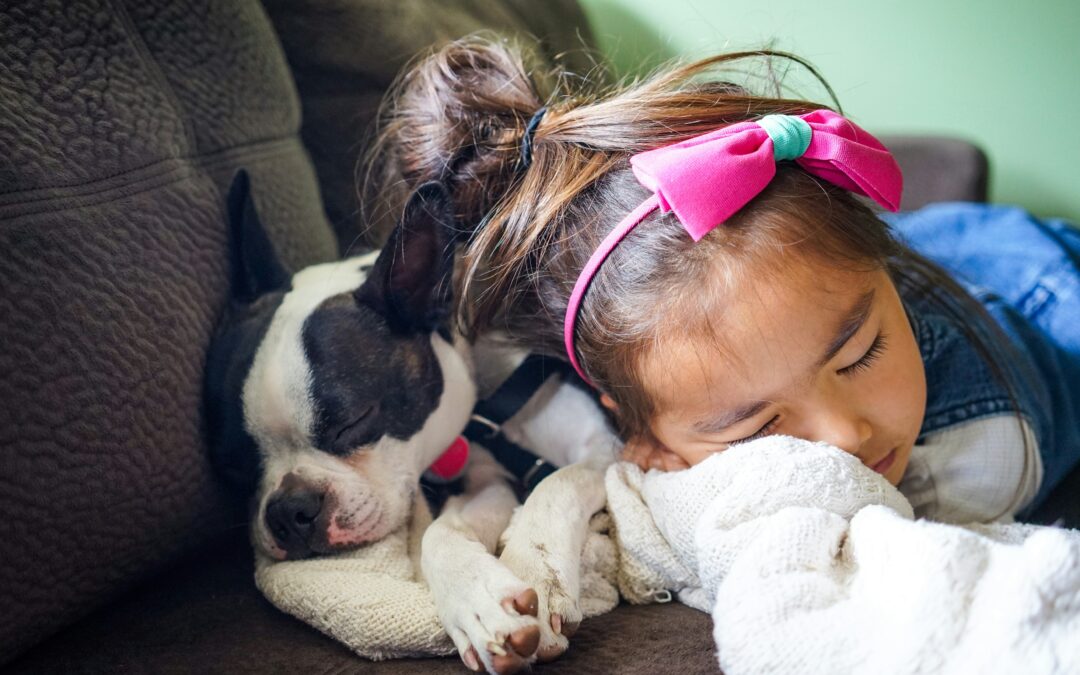
I can tell you firsthand that welcoming a rescue animal into your home is one of the most rewarding experiences you can have. The moment you see those bright eyes or feel that hesitant but hopeful nuzzle, you know you are about to change a life, and not just theirs, but yours as well. Yet the journey to adoption doesn’t start on the day you bring your new companion home. It begins much earlier, with choosing the right rescue organization. Specifically, one that values transparency, prioritizes animal welfare, and supports both pets and adopters long after the paperwork is signed.
With thousands of amazing organizations, shelters, and rescues across the country, the choices can feel overwhelming. Some specialize in particular breeds, others dedicate themselves to senior animals or those with medical needs, and many focus on giving every animal a chance regardless of circumstance. How do you choose one that aligns with your values and ensures a happy, healthy future for your new friend? The key is finding an organization that has the structure to give your new companion the best possible start. Don’t worry, I’m here to guide you through the process. Think of this as your friendly guide to navigating the rescue world, helping you find a trustworthy partner in your adoption journey.
The Evolving Landscape of Animal Rescue
Animal rescue has changed dramatically over the past few decades. It is no longer only about removing strays from the streets or managing overpopulation. Today, rescue organizations take on a much more comprehensive role, working not only to place animals into homes but also to provide rehabilitation, community education, and long-term support.
In earlier years, shelters were often overcrowded and underfunded, relying heavily on euthanasia to control numbers. While some of those challenges remain, the focus has shifted toward solutions that address the root causes of pet homelessness. Widespread spay and neuter programs, low-cost veterinary services, and community outreach efforts are reducing intake numbers and giving families the tools to keep their pets rather than surrendering them.
The shift reflects a cultural change in how we view companion animals. More than ever, pets are considered family members, and that perspective is influencing the way shelters and rescues operate. According to Shelter Animals Count, about 2.8 million cats and dogs entered U.S. shelters in the first half of 2025. That number may sound large, but it actually represents a four percent decrease compared to the previous year. Adoption numbers are also moving in the right direction, with Best Friends Animal Society reporting a four percent increase in both cat and dog adoptions in 2024, along with a three percent decline in shelter euthanasia rates.
Progress is worth celebrating, particularly as October marks National Adopt a Shelter Dog Month. Yet statistics only tell part of the story. Many shelters are still stretched to their limits, struggling with staff shortages, rising veterinary costs, and facilities that run at or above capacity. These realities make it more important than ever for adopters to carefully consider where they adopt and which organizations they choose to support.
Why Choosing the Right Rescue Organization Matters
When you adopt from a reputable rescue organization, you are doing far more than saving one life. You are also investing in an organization that is building sustainable systems to save thousands more. A good rescue will provide accurate medical and behavioral information, ensure that animals receive proper veterinary care before adoption, and commit to matching pets with the right families rather than rushing placements. They also remain a resource after adoption, offering advice, training referrals, and support as families adjust to life with their new pet.
The opposite can also be true. A rescue that lacks resources or operates without accountability may send animals into homes unprepared. This can lead to unexpected medical bills, behavioral struggles, and even situations where pets are returned. This creates a cycle of instability that affects both the animals and the families who hoped to help them. Choosing the right rescue is about setting everyone up for success.
The Importance of Transparency
Transparency is the cornerstone of trust in animal rescue. Without it, adopters are left making life-changing decisions without the information they need. Ethical organizations openly share their intake and adoption numbers, clearly disclose medical and behavioral histories, and provide veterinary records without hesitation. They explain their adoption process step by step, answer questions thoroughly, and welcome potential adopters to visit facilities or meet animals multiple times before committing.
On the other hand, reluctance to provide details, evasive answers about medical care, or pressure to make a quick decision are all warning signs. Adoption should never feel like a sales pitch. Instead, it should resemble a partnership built on honesty and a shared commitment to the animal’s well-being.
The No-Kill Movement
One term that adopters often encounter is “no-kill shelter.” By definition, a no-kill shelter maintains a live release rate of ninety percent or higher, meaning that at least nine out of ten animals find homes, are transferred, or are reunited with owners. This movement has reshaped animal welfare across the United States and inspired countless organizations to re-examine their practices.
Yet, like many well-intentioned concepts, the label has complexities. Limited-admission shelters can achieve no-kill status more easily because they can decline animals with severe medical or behavioral challenges. Open-admission shelters, which take in every animal regardless of condition, face more difficult choices. Some critics argue that the pressure to maintain no-kill numbers may lead to reclassifying animals as “unadoptable” in order to preserve statistics. For adopters, the key takeaway is not to fixate on the label but to ask deeper questions about how an organization defines treatable conditions and how it balances compassion with realism.
Technology’s Role in Rescue
Though animal rescue is driven by compassion, technology now plays an increasingly vital role in keeping organizations effective. Many shelters and rescues use digital platforms to track medical histories, streamline adoption applications, and manage foster networks. This technology allows staff to spend less time on paperwork and more time with the animals in their care. For adopters, it often means quicker communication, more accurate records, and smoother overall experiences.
Integration with external platforms like Petfinder and Adopt-a-Pet can also enhance an organization’s ability to promote available animals.
Foster Care as a Lifeline
One of the most powerful tools rescues have is their foster network. Animals placed into foster homes often recover from stress more quickly, show their personalities more clearly, and learn skills that make them more adoptable. Foster families can provide critical insights about an animal’s temperament, which helps adoption coordinators make better matches. Perhaps most importantly, every foster home opens up space in a shelter for another animal in need.
The challenge is that foster volunteers are always in short supply. If you are not ready for the lifetime commitment of adoption but want to help, fostering offers one of the most direct and meaningful ways to make a difference.
How to Evaluate a Rescue
When considering adoption, take the time to research organizations carefully. Confirm that a rescue is a registered nonprofit if it claims to be, review its financial statements if available, and ask about veterinary protocols such as spay and neuter practices, vaccination standards, and microchipping. Pay attention to how adoption applications are handled. A thoughtful process that includes interviews, reference checks, and home visits may feel detailed, but it reflects a commitment to finding the right fit for both animal and adopter.
Visiting a facility or requesting a virtual tour can also reveal a lot. Reputable organizations are usually proud to show their operations, even if resources are modest. Look for signs of cleanliness, enrichment, and staff or volunteers who interact with animals in calm, respectful ways. Community involvement is another marker of a strong organization. Groups that invest in education, outreach, and spay/neuter initiatives are demonstrating a commitment that extends beyond adoption alone.
Recognizing Red Flags
Just as there are positive signs to look for, there are also warning signs that should give you pause. Rescues that hold large-scale adoption events with little to no screening, apply high-pressure tactics to push adoptions, or refuse to share medical records are concerning. Poor living conditions, minimal communication, or practices such as separating bonded pairs without explanation are other red flags. Adoption should never feel rushed or transactional; it should feel deliberate, thoughtful, and respectful of the lifelong commitment you are about to make.
A Global Perspective
The movement toward more humane and transparent animal rescue is not limited to the United States. Countries such as Japan and South Korea are seeing rapid growth in pet welfare industries. From advanced grooming technologies to holistic care approaches influenced by cultural trends. European nations, meanwhile, often set stricter regulatory standards, requiring shelters to maintain detailed records and adhere to higher levels of accountability. These developments highlight that animal welfare is part of a broader global shift in how societies value and protect companion animals.
Making the Right Choice
Ultimately, finding the right rescue is about more than convenience. It is about aligning yourself with an organization that shares your values and is committed to doing right by the animals in its care. Take your time, ask questions, and trust your instincts. When you finally bring home your new companion, whether a dog, cat, or any other rescued friend, you will know that your decision was thoughtful and informed.
Your choice will not only change the life of the animal you adopt but also support the mission of a rescue working tirelessly to save others. Adoption is not just about giving one pet a home; it is about becoming part of a movement that continues to evolve and improve the world of animal rescue for years to come.
Now, go out there and find your perfect friend! And don’t forget to share your adoption stories with me. I love hearing them!