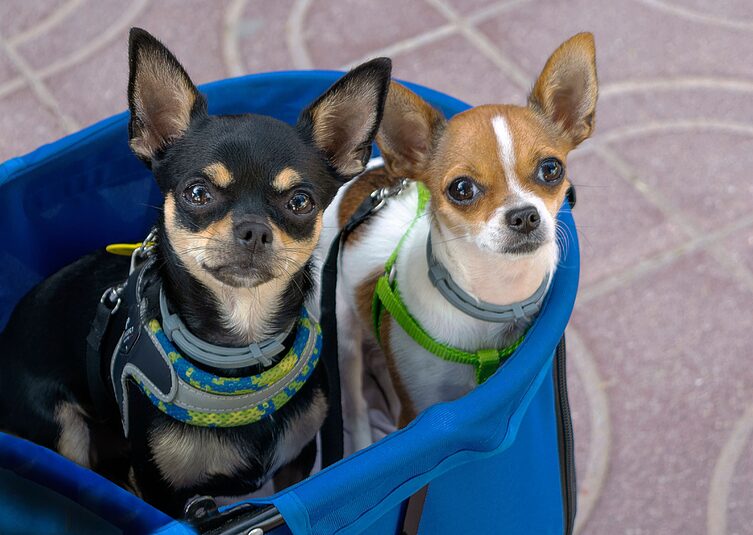
When I talk with people about adding a dog to a smaller home or an apartment, the conversation almost always starts in the same place. They are drawn to a larger, more spirited breed but feel guilty about the idea of keeping a big dog in a compact space. So they pivot toward small dogs and assume the problem is solved. That instinct makes sense on the surface, but small does not automatically mean easy, low-energy, or apartment-friendly. The dog world is full of tiny powerhouses who would exhaust even an experienced owner.
What actually determines whether a dog will thrive in your space is temperament, adaptability, and energy level, not the number on the scale. I’ve spent years studying animal behavior and working closely with pet owners navigating exactly this decision. I want to help you find the small dog breeds for apartments and smaller homes that will genuinely flourish in your space and your life.
Size Does Not Tell the Whole Story
This is the point I want to make before anything else: small does not automatically mean low-maintenance or low-energy. Some of the most compact dog breeds alive are also some of the most driven and demanding. Terriers were bred over centuries to hunt, dig, pursue, and make independent decisions at speed. That tenacity does not disappear just because the dog weighs nine pounds. A Jack Russell Terrier in a small apartment with an owner who works long hours is not going to have a peaceful coexistence with that apartment.
The small dog breeds that genuinely work well in apartments and smaller homes share a core set of traits that matter far more than their size. Small dogs tend to adapt comfortably to limited space without becoming restless or destructive. They do not carry a compulsion to run for miles each day to feel satisfied. They handle being indoors for significant stretches without developing anxiety-driven behaviors. And critically, they are not excessive barkers, which matters a great deal when you share walls and ceilings with neighbors who did not sign up to live with your dog. Keep temperament, adaptability, and noise level at the top of your evaluation criteria and you will find the right match far more reliably than if you simply search for the smallest breed available.
The French Bulldog
If one breed were custom-designed for apartment living, it might well be the French Bulldog. Frenchies are calm, affectionate, and adaptable in a way that feels genuinely suited to compact living. They do not demand long runs or sprawling yard access to stay happy and balanced. A solid daily walk and plenty of engaged indoor playtime satisfy them completely, and they are genuinely content to spend the better part of a day curled up near the people they love. French Bulldogs bond deeply with their families and thrive on close human contact. This makes them ideal companions for work-from-home owners or anyone with a schedule that allows for regular presence at home.
French Bulldogs are also notably quieter than many small breeds, which earns them significant goodwill from apartment neighbors. Their biggest health consideration is their flat facial structure, which makes them sensitive to heat, humidity, and overexertion during warm weather. They need outdoor activity scheduled during the cooler parts of the day in summer, and should never be pushed to exercise hard in the heat. With that one management consideration addressed, French Bulldogs make remarkably easy-going, joyful housemates across virtually any living situation. Their personality manages to be both entertainingly clownish and deeply cuddly, and they have a genuine gift for making even the smallest apartment feel warm and full of life.
The Cavalier King Charles Spaniel
The Cavalier King Charles Spaniel is quite possibly the most universally gentle small breed available, and that gentleness is one of the qualities that make it such an exceptional apartment dog. These dogs were developed specifically to be companions, and they carry that heritage in everything about them. They are soft-natured, responsive, and easy to train. They adapt naturally to smaller spaces and are perfectly content to move from room to room following their owner, settling wherever the family is gathered and simply being present and close. If you want a dog who truly appreciates the calm of apartment life rather than resenting its limits, the Cavalier is one of the most organic fits you will find.
Cavaliers need moderate daily exercise to stay healthy and mentally balanced. Two solid walks and some indoor interactive play each day keeps them content without requiring a full athletic commitment from their owner. They are also well-mannered in public and with strangers, which makes them easy to take out for urban walks or into social settings. Health-wise, Cavaliers can be prone to heart conditions, so regular veterinary care and choosing a responsible breeder who conducts thorough health testing on their breeding lines is especially important with this breed. When well cared for, a Cavalier King Charles Spaniel brings a rare kind of steady, warm joy to a household that is genuinely hard to replicate.
The Bichon Frise
The Bichon Frise carries an almost infectious cheerfulness that makes them a pleasure to live with regardless of your home’s square footage. These fluffy, bright-eyed dogs are playful and curious, but their energy level sits in a comfortable middle range that works well for most apartment dwellers. They enjoy their daily walks and indoor play sessions, but are not left restless and frustrated without hours of intense exercise. One of the Bichon’s most practical advantages for smaller living spaces is their coat, which sheds very little and produces minimal dander. This makes them a thoughtful choice for owners who prefer to minimize pet hair on every surface of their home.
Bichon Frises are highly adaptable across different types of households. They do well with active owners and quieter ones, with families and with single adults, in the city and in the suburbs. That is as long as they get consistent social interaction and enough mental engagement to keep their curious minds occupied. They tend to thrive best in homes where someone is present for a significant portion of the day, as they can be prone to separation anxiety when left alone for extended periods. Their responsiveness to positive reinforcement makes them a genuine pleasure to train, and they take to learning new things with an enthusiasm that makes every session enjoyable for both dog and owner.
The Shih Tzu and the Pug
The Shih Tzu carries a storied history as a palace companion bred specifically for Chinese royalty, and you can still feel that legacy in their temperament today. Shih Tzus are calm, sociable, and genuinely content with a relaxed pace of life. They require only moderate exercise, making them well-suited to owners who prefer leisurely walks over athletic ones. They tend to get along beautifully with children, other dogs, and even cats, which makes them a versatile choice for multi-pet or multi-person households. Their long, flowing coat requires regular grooming and brushing, though many owners opt for a shorter puppy cut that significantly reduces the maintenance commitment.
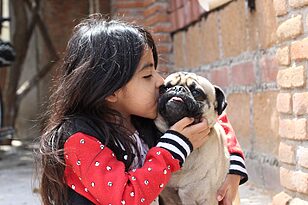
The Pug occupies a similarly excellent position in the apartment-friendly lineup. Pugs are sociable, entertaining, and devoted to their people in a way that is hard not to find completely charming. They love to lounge and they love to play, and they make both activities equally enjoyable to participate in and to observe. Like French Bulldogs, Pugs are brachycephalic and need protection from heat and overexertion, particularly in humid summer conditions. With those needs thoughtfully managed, they are excellent small home dogs who pack an outsized amount of personality, warmth, and humor into their compact frames. Both breeds rank among the most consistently recommended small dog breeds for apartments for owners who want a genuinely companionable household addition.
The Maltese
Few small breeds carry themselves with quite the effortless presence of the Maltese. These tiny dogs, typically weighing between four and seven pounds, bring a surprisingly lively and affectionate personality to any home. Despite their delicate appearance, Maltese dogs are confident and curious, and they approach new situations with a boldness that often surprises people expecting a fragile lap ornament. They are gentle with their families, highly responsive to positive reinforcement training, and adapt comfortably to life in an apartment or smaller home without any difficulty.
The Maltese coat is one of the breed’s most distinctive features, a floor-length silky white coat that requires regular brushing and professional grooming to stay healthy and mat-free. Many Maltese owners opt for a shorter trim that significantly reduces the maintenance while keeping the dog comfortable and tidy. On the practical side, Maltese dogs shed very little, which makes them a thoughtful choice for owners with allergies or a strong preference for minimizing pet hair. Their exercise needs are modest, a couple of short daily walks and some indoor playtime satisfy them fully, and they are content to spend significant portions of the day simply being close to the people they love.
Finding Your Small Dog Through Rescue
Before committing to purchasing a puppy from a breeder, it is worth exploring the option of adopting a small breed dog through a rescue organization. Small breed rescue groups exist across the country dedicated to rehoming specific breeds or small dogs generally, and the animals they place are often adult dogs with fully formed personalities that make it much easier to assess temperament fit before committing. Adopting an adult small dog often means bypassing the most demanding phases of puppyhood, including the chewing phase, the house training process, and the sleepless nights, while still gaining a loyal and loving companion.
According to the American Kennel Club, researching breed traits thoroughly before committing and matching those traits honestly to your lifestyle produces the most successful and lasting matches. The AKC maintains a directory of breed-specific rescue organizations that is a useful starting point for anyone interested in finding a specific small breed through adoption. Whatever path you choose, whether through a responsible breeder or a rescue organization, the goal is the same: a lasting match between a dog and a home where both can genuinely thrive together for years to come.