As someone who has spent years helping dogs become their best selves, I know firsthand how important early socialization is for your new furry friend. Bringing a puppy into your life is an incredibly exciting time. Those first few weeks are filled with adorable moments, playful nips, and the start of a lifelong bond. But did you know that these early weeks are also the most crucial for shaping your puppy into a well-adjusted, friendly companion? That’s right! Socializing your puppy isn’t just about playdates at the park, it’s about setting them up for a lifetime of confidence and happiness. And it all starts now. This article is your go-to guide for understanding the importance of socializing your puppy and how to introduce them to various environments, people, and other animals safely and effectively. Let’s dive in and ensure your puppy becomes the friendly, well-behaved dog you’ve always dreamed of!
Why Socializing Your Puppy is Non-Negotiable
Think of your puppy’s early weeks as a critical learning period. What they experience now will shape their reactions and behaviors for years to come. According to a groundbreaking study by the Dog Aging Project, a staggering 99.12% of dogs in the United States exhibit at least one moderate to severe behavioral problem. That’s nearly every dog! This statistic underscores the urgent need for proper socialization. The good news? Many of these issues, such as separation anxiety, aggression, and fear-based behaviors, can be significantly reduced or even prevented through early and effective socialization. Socializing your puppy isn’t just a nice-to-do, it’s an essential investment in their future well-being.
Understanding the Critical Socialization Periods
The key to successful socialization lies in understanding the specific developmental windows your puppy goes through. Research consistently shows that the most crucial period is between 3 and 14 weeks of age, with some experts extending this to 16 weeks. This is when their brains are most receptive to new experiences and learning what’s safe versus unsafe. The American Veterinary Society of Animal Behavior (AVSAB) emphasizes that this three-month period is when sociability outweighs fear, making it the optimal time for puppies to adapt to new people, animals, and experiences. Let’s break down these phases:
- The Curiosity Period (5-7 weeks): Newly weaned puppies are virtually fearless and ready to explore. Introduce first baths, grooming, and short trips outside.
- The Behavioral Refinement Period (7-9 weeks): Learning during this period tends to be permanent. Establish good habits and boundaries in a stable environment.
- The Fear Imprint Period (8-11 weeks): Puppies become more cautious of loud noises, strangers, and discipline. Avoid frightening experiences, as they can have lasting negative effects.
- Environmental Awareness (9-12 weeks): Puppies learn appropriate behaviors for specific situations and improve motor skills. Those separated from littermates tend to form stronger human bonds.
- Seniority Classification (13-16 weeks): Puppies begin testing dominance and leadership hierarchies. Puppy classes are valuable during this period to build self-confidence and social adaptability.
Practical Tips for Socializing Your Puppy
Now that you know why and when socialization matters, let’s focus on how to do it effectively. Here are some practical strategies to help your puppy build positive, confidence-boosting experiences:
Start Early (and Safely)
You don’t need to wait until your puppy is fully vaccinated to begin socialization. The American Veterinary Society of Animal Behavior (AVSAB) recommends starting early in safe, controlled environments. Talk to your veterinarian about the safest options in your area.
Create a Socialization Checklist
Expose your puppy to a variety of sights, sounds, people, and places. A checklist can help you stay organized. Include categories such as:
- People: Men, women, children, elderly adults, people with hats, glasses, or using wheelchairs.
- Environments: Parks, sidewalks, pet stores, car rides, elevators.
- Sounds: Traffic, sirens, vacuum cleaners, doorbells, children playing.
- Surfaces: Grass, concrete, carpet, tile, wood floors.
Make it Positive
Always pair new experiences with positive reinforcement. Use treats, praise, and toys to create positive associations. If your puppy seems scared or overwhelmed, back off and try again later at a slower pace.
Go at Their Pace
Let your puppy approach new situations on their own terms. Avoid forcing interactions, as this can create lasting negative associations.
Involve Others
Ask friends, family, and neighbors to interact with your puppy. Dr. Ian Dunbar, a renowned expert in dog behavior, recommends that puppies meet at least 100 different people during their first month at home!
Consider Puppy Classes
Puppy classes are a fantastic way to socialize your puppy in a safe and structured environment. Research shows that dogs who attend puppy classes are more trainable and exhibit fewer behavioral issues. Look for classes that use positive reinforcement methods and are run by certified trainers.
Handling Exercises
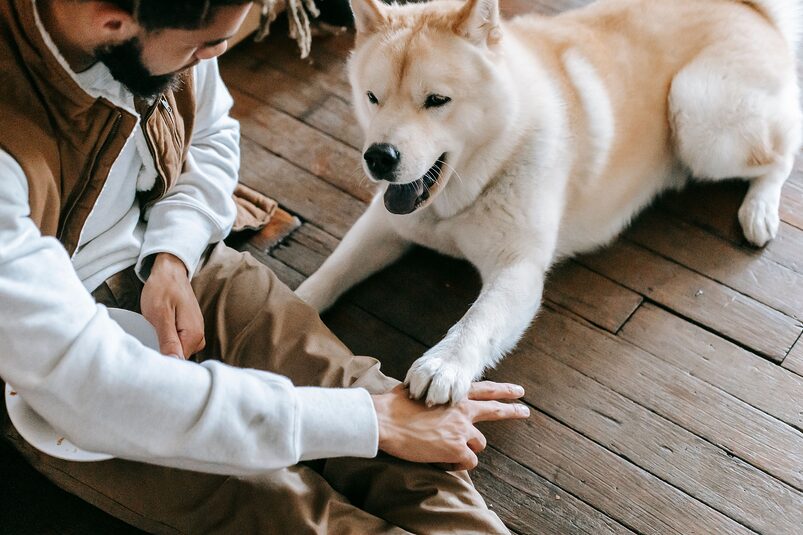
Get your puppy used to being handled by gently touching their paws, ears, and mouth on a regular basis. This will make vet visits and grooming much easier in the future.
Sound Desensitization
Play recordings of everyday noises (traffic, fireworks, thunderstorms) at a low volume. Gradually increase the volume as your puppy becomes more comfortable.
Be Consistent
Consistency is key. Make sure everyone in your household follows the same approach to socialization to avoid mixed signals.
Real-World Examples and Case Studies
The benefits of puppy socialization aren’t just theoretical. They’re backed by real-world results. Guide Dog Programs: Guide Dogs for the Blind have comprehensive socialization programs that begin in the first weeks of life. Puppies in enhanced programs show improved scores for separation-related behavior, anxiety, and handling, leading to higher success rates in advanced training. Veterinary Clinics: Veterinary clinics implementing structured puppy classes report improved client relationships and lower rates of pet relinquishment. Shelters and Rescues: Shelters with socialization programs for puppies see higher adoption rates and lower return rates. These examples demonstrate the tangible impact of early socialization on a puppy’s future success and well-being.
Navigating Common Challenges
Socializing your puppy isn’t always smooth sailing. Here are some common challenges and how to address them:
- Fear-Based Behaviors – Use patient, gradual exposure with counter-conditioning techniques to create positive associations with previously frightening situations.
- Overexcitement – Teach impulse control skills like “sit” and “stay” to manage excitement levels.
- Aggression and Resource Guarding – Seek immediate professional help from a certified dog trainer or veterinary behaviorist.
- Breed-Specific Considerations – Be aware of your breed’s specific needs and tendencies, but remember that individual personalities vary.
Modern Training Trends and Technology Integration
The world of dog training is constantly evolving, and technology is playing an increasingly important role. Here are some modern trends to be aware of:
Positive Reinforcement Training
This method rewards desired behaviors rather than punishing unwanted ones, enhancing the bond between you and your dog.
Smartphone Applications
Apps like Puppr, Dogo, and EveryDoggy offer comprehensive training programs, progress tracking, and access to professional guidance.
Wearable Technology
Smart collars with activity monitors and GPS tracking provide insights into your dog’s daily patterns and stress levels.
Virtual Training Sessions
Online platforms offer live video consultations with expert trainers, making professional help more accessible than ever.
Interactive Training Toys
These devices incorporate treat dispensing, motion sensors, and sound effects to engage dogs while reinforcing positive behaviors.
Expert Insights and Authoritative Guidelines
Leading veterinary and behavioral organizations emphasize the importance of early puppy socialization. Dr. Christopher Pachel (https://www.drpachel.com/), a board-certified veterinary behaviorist, advocates for early intervention and team-based approaches to addressing behavioral concerns. Dr. Maggie O’Brian highlights the importance of recognizing behavioral concerns early, particularly in younger dogs showing signs of aggression or fearfulness. Listen to a great podcast where she discusses this issue. The consensus among experts is that the risk of developing behavioral problems due to inadequate socialization far outweighs the risk of infectious disease exposure in well-managed socialization programs.
The Future of Puppy Socialization
The future of puppy socialization is bright, with exciting advancements on the horizon:
- Artificial Intelligence: AI can analyze puppy behavior to identify patterns and predict future problems.
- Virtual Reality: VR can simulate challenging environments without subjecting puppies to actual stress.
- Genetic Testing: Genetic analysis can identify predispositions to certain behavioral traits, allowing for customized socialization protocols.
These emerging technologies promise to make puppy socialization more effective, accessible, and personalized than ever before.
Invest in Your Puppy’s Future Today
Socializing your puppy is one of the most important things you can do to ensure their lifelong well-being. By understanding the critical socialization periods, implementing practical tips, and seeking professional guidance when needed, you can set your puppy up for a lifetime of happiness and success. Remember, a friendly puppy is a happy puppy (and a happy owner!). So, get out there, explore the world together, and build a bond that will last a lifetime. Ready to start socializing your puppy? Here are a few actionable steps you can take today:
- Schedule a consultation with your veterinarian to discuss safe socialization practices in your area.
- Create a socialization checklist and start exposing your puppy to new sights, sounds, and people.
- Research local puppy classes and enroll in one that uses positive reinforcement methods.
- Download a dog training app to access helpful tips and guidance.
Don’t wait! The time to socialize your puppy is now. Let’s work together to create a world of happy, well-adjusted dogs.