There is something almost magical about watching a dog hit a trail for the first time. The nose goes down, the tail goes up, and every molecule of their being lights up with pure, unfiltered joy. If you have been thinking about adding a four-legged member to your family and want a companion who can keep pace with your outdoor lifestyle, you are in exactly the right place. Choosing from the right adventure ready dog breeds is one of the most rewarding decisions an active family can make. The right dog does not just tolerate a hike; they thrive on it, and that energy becomes deeply contagious.
Not all hiking dogs are created equal, and that nuance gets glossed over in most simple breed lists. A great trail buddy is not just the dog who can run the farthest. They are the dog who recalls reliably when a deer bolts across the path, who greets a stranger on a narrow ridge with a wagging tail, and who still has energy left to cuddle on the couch at the end of a long day. That balance of athleticism, temperament, and trainability is what we are really after.
What Makes a Great Hiking Dog
Physical endurance and paw durability are the first things to consider. A dog can be built impressively and still fall apart after four miles on rocky terrain if their pads are not conditioned for it. Breeds developed to work across varied landscapes tend to have naturally tougher foot pads, deeper chest capacity, and a metabolic engine built for sustained effort rather than short bursts. Beyond the physical, a great trail dog recovers well, bouncing back without the kind of stiffness that limits them the following morning.
Temperament, however, is where the real work happens. A dog’s ability to respond reliably to a recall command when a squirrel crosses the path is the single most important qualification for any hiking companion. Wildlife impulse control, stranger manners, and the ability to stay calm in unpredictable environments separate the genuinely great trail dogs from the merely athletic ones. The adventure ready dog breeds featured below all share a temperament that, with proper training and socialization, makes them trustworthy partners on any terrain. Size matters less than most people assume; endurance, working heritage, and individual fitness tell a far more honest story.
Top Breeds for the Trail
- Australian Shepherd dogs are agile in a way that seems almost unfair on technical terrain, weaving through boulder fields and navigating steep switchbacks with ease. Their intelligence is exceptional, which means they respond beautifully to training and genuinely want to work alongside their people. A double coat provides good protection across varied weather conditions, and their medium size makes them versatile enough for everything from desert canyon hikes to alpine ridgelines.
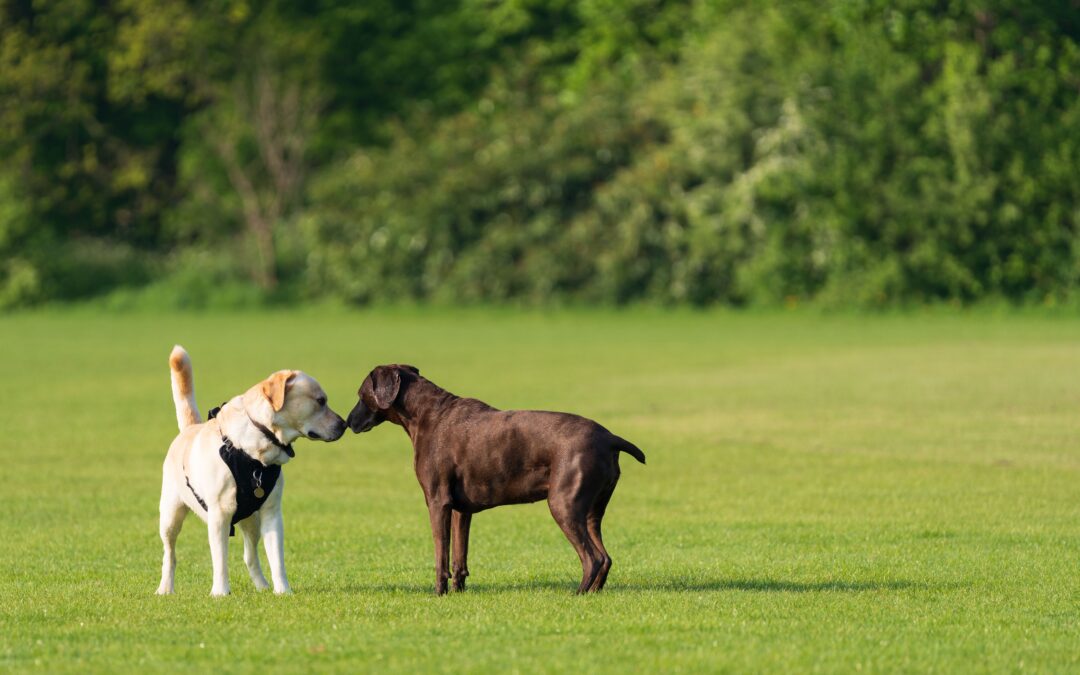
- Labrador Retrievers were bred to retrieve game across open water and varied terrain, and their bodies show it. They are powerfully built for sustained effort, consistently friendly around strangers and other dogs, and easy to manage in social trail situations. Labs do tend to run warm, so access to water and shade is essential in summer, but in cooler conditions, a well-conditioned Lab can hold their own on serious mileage.
- Vizslas are sometimes called velcro dogs, and on the trail, that instinct to stay near their person is a genuine safety asset. Lean, muscular, and exceptionally athletic, they are one of the most naturally endurance-capable breeds in existence. Their short coat means they need weather protection in cold conditions, but for active families who hike frequently in temperate climates, the Vizsla is one of the most rewarding choices available.
- Siberian Huskies were literally bred to cover enormous distances in brutal cold, and that heritage is impossible to overlook when discussing adventure ready dog breeds. Their double coat manages extreme temperatures beautifully, and their sustainable pace on winter or high-elevation trails is remarkable. They require consistent training to manage their independent streak, and they are not ideal for hot climates, but in the right environment, a well-trained Husky is an extraordinary trail companion.
- Border Collies are virtually tireless on trail, with an efficiency of movement and an ability to read terrain that feels almost intuitive. Their intelligence means they learn trail commands quickly, but it also means they need mental stimulation as much as physical exercise. Hiking actually serves both needs at once, offering constant novel stimulation through scent, terrain, and environmental problem-solving alongside the physical effort.
- Weimaraners were developed for all-day hunting across rugged terrain, and that purpose still lives in their constitution. Fast, powerful, and built for endurance, they thrive with owners who hike multiple times per week rather than occasionally. Their short coat dries quickly on wet trails, though they need protection in cold conditions. For truly active families, a Weimaraner rewards commitment with loyalty and joyful, focused intensity on every outing.
- Australian Cattle Dogs are one of the most underrated trail breeds in existence. Compact but tremendously strong, they were built to work across unpredictable terrain, and their low center of gravity and natural surefootedness is a real advantage on rocky descents. Their loyalty to their family on trail is legendary, and with early socialization to address their natural reserve around strangers, they become confident and thoroughly reliable companions.
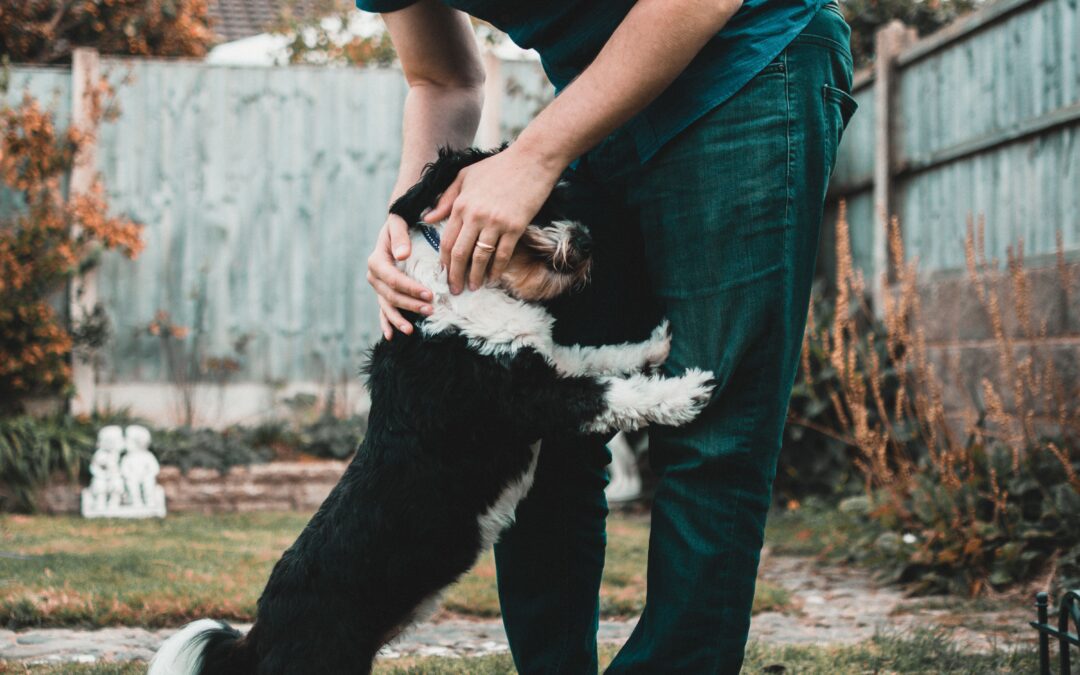
- Bernese Mountain Dogs bring something different: a gentle, steady temperament that makes them wonderful for families with children or hikers who prefer a more exploratory pace. Their large frames were built for alpine environments, and they move with calm confidence on varied terrain. Heat sensitivity is a real consideration, so early morning starts and cool conditions are essential, but in the right climate, a Berner on trail is a steady, sweet-natured joy from trailhead to summit.
Before the First Hike
A veterinary checkup focused specifically on hiking fitness is worth scheduling before your first real outing. Ask about joint health, cardiovascular capacity, and the condition of your dog’s pads. Soft, unconditioned pads can crack painfully on abrasive terrain, and certain breeds carry predispositions to joint issues that may be asymptomatic at rest but become problematic under sustained load. Nail length matters too; long nails affect gait and increase injury risk on rocky surfaces.
Gear Up Right
If your dog carries a pack, keep the load to no more than 25% of their body weight, and many veterinary professionals prefer keeping it under 15% for younger or less conditioned dogs. A well-fitted pack that does not restrict gait makes a significant difference in comfort and performance. A collapsible water bowl, a dedicated water supply, and a trail snack or treat pouch are the other essentials that consistently prove their worth on longer outings. Dogs dehydrate faster than most owners realize during sustained exertion, so plan water stops actively.
Trail Manners and Safety
Before your dog goes off-leash anywhere, their recall under distraction needs to be genuinely reliable. Practice in progressively more stimulating environments long before hitting the trail. A dog who blows off a recall in the presence of wildlife or other hikers is a safety risk, not just an inconvenience. This one skill underpins everything else and is worth every minute of investment before your first outing.
Wildlife protocols, Leave No Trace principles, and basic trail etiquette are all part of responsible dog ownership on trail. In bear country, keeping your dog leashed during certain seasons protects both your dog and the bear. Pack out all waste, stay on designated trails to protect fragile vegetation, and yield appropriately to equestrians and other users. How we behave on trail directly affects whether trails remain open to dogs at all, which is a responsibility worth taking seriously.
Seasonal Hiking Tips
Hot weather demands proactive management. If the ground is too hot for your bare hand after seven seconds, it is too hot for your dog’s pads. Plan hikes for early morning before temperatures peak, and watch for heat stress signals including excessive panting, slowing pace, and shade-seeking. Cold weather brings ice-melt chemical burns and painful snow-balling between toes; paw wax or booties address both issues effectively, and short-coated dogs genuinely need a jacket in freezing conditions.
After every outing, regardless of season, conduct a full-body tick check and look carefully for foxtail seeds, the barbed seed heads common in western North America that can penetrate skin and migrate through tissue if not caught early. Focus on between the toes, inside ear flaps, under the collar, and around the groin. Making this a consistent habit after every single hike prevents problems that are genuinely serious and surprisingly common.
Puppy and Senior Considerations
Puppies are enthusiastic trail companions in every sense, but their developing growth plates are vulnerable to damage from sustained high-impact activity before they close, typically between 12 and 24 months depending on breed size. High-mileage hiking, significant elevation, and repeated running on hard surfaces should wait until your vet confirms their skeletal system is ready. Short, exploratory outings on soft surfaces build positive trail associations without the repetitive stress that causes long-term damage.
Senior dogs can remain wonderful trail companions well into their later years, and appropriate outdoor activity genuinely supports their physical and mental health. The key word is appropriate: shorter distances, gentler terrain, and a pace that accounts for reduced stamina and stiffer joints. A senior dog who wakes up stiff the morning after a hike got more than they were ready for, and that feedback is worth heeding.
Mixed Breeds and Rescues on Trail
Some of the most exceptional hiking companions I have encountered have been mixed breed dogs and rescues with unknown histories. A pedigree does not determine trail potential; individual energy level, physical condition, and behavioral tendencies are far more predictive. Spend time with a rescue in varied environments before committing to serious mileage. Watch how they respond to novel stimuli, how quickly they recover from startling situations, and how reliably they orient back to you after distraction. These observations tell you far more than any breed label.
A growing number of shelters run foster hiking programs that pair dogs in care with volunteer hikers for trail outings. These programs enrich the dogs, help volunteers assess trail suitability, and often connect active adopters with dogs they might never have considered otherwise. If you are still searching for your trail companion, contacting local shelters about these programs can be a remarkable way to find your match.
Post-Hike Recovery
The post-hike routine matters as much as the preparation. A quick paw rinse removes trail debris and chemical residue that causes irritation if left in place. Check between the toes and under the nails carefully, and inspect the ears for moisture if your dog swam or encountered wet vegetation. The full tick and foxtail scan should happen immediately after every outing, before your dog settles in for a nap and carries anything into your home.
Give your dog a genuine cool-down period, quiet rest space, and fresh water before asking anything more of them. Watch for signs of muscle soreness in the 24 to 48 hours following a challenging outing: stiffness when rising, reluctance to use stairs, or uncharacteristic low energy. These are honest signals that the outing pushed their current limits, and that future conditioning should be adjusted accordingly.
Quick-Start Hiker Checklist
- Fitted harness or collar with current ID tags
- Hands-free leash plus a short leash for controlled sections
- Collapsible water bowl and adequate water supply
- Trail snacks, treat pouch, and dog-specific first aid kit
- Paw wax or booties as conditions require
- Veterinary clearance for hiking fitness
- Recall under distraction practiced in varied environments
- Progressive conditioning completed over four to six weeks
- Paw rinse and full inspection
- Ear check, especially after water contact
- Full-body tick and foxtail scan
- Fresh water and monitored rest time
Final Thoughts
Choosing from the adventure ready dog breeds in this guide is genuinely one of the most joyful decisions an active family can make, but the real reward is not the breed selection itself. It is the relationship that grows out of shared miles, accumulated trust, and the quiet understanding that develops between a person and a dog who have navigated the world together. Start where you are, build progressively, and let the trail do the rest.
The right dog is out there. When you find each other, every mile will be better for it.