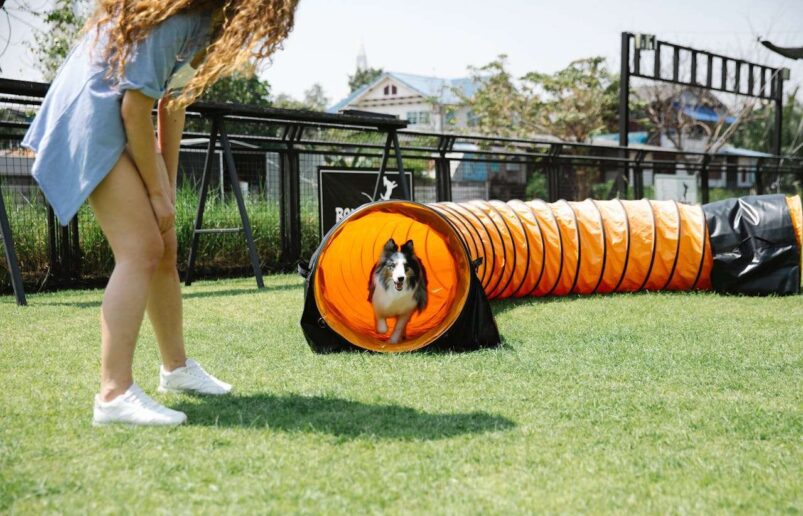
Hello, fellow pet lovers! I’m excited to share ways to enrich your bond with your pets. With nice weather outdoors, it’s the perfect time to explore some fun activities that promote both physical and mental well-being for your companions.
Pet ownership is more than just providing food and shelter; it’s about building a meaningful relationship filled with love, trust, and shared experiences. In 2025, American households have embraced pet parenthood at unprecedented levels. This surge isn’t just about numbers; it reflects a fundamental shift in how we view our companions, moving from simple ownership to deep, mutually beneficial partnerships.
Modern pet parents are more informed, more invested, and more willing to dedicate time and resources to their pets’ well-being. In 2024, Americans spent a staggering $152 billion on their pets, with projections reaching $157 billion in 2025. This financial commitment extends beyond basic necessities to include enrichment activities and experiences designed to enhance the pet-owner relationship through shared experiences.
So, let’s dive into some fun and engaging activities that will strengthen your bond with your pet while keeping them healthy and happy.
Understanding the Modern Pet-Owner Dynamic
Millennials represent the largest dog-owning demographic at 33%, followed by Generation X and Baby Boomers. However, Generation Z is setting new standards for pet interaction and bonding activities. These younger pet owners demonstrate unprecedented levels of emotional investment, with 34% celebrating their dogs’ birthdays with cakes, a clear sign of treating pets as cherished family members.
Generation Z also shows remarkable commitment to pet wellness, with 78% of Gen Z dog owners and 71% of Gen Z cat owners using calming products. This indicates a heightened awareness of pet mental health, influencing their choice of activities and engagement strategies. It’s clear that younger pet owners are particularly receptive to innovative bonding activities and are willing to invest in their pets’ emotional well-being through structured interaction.
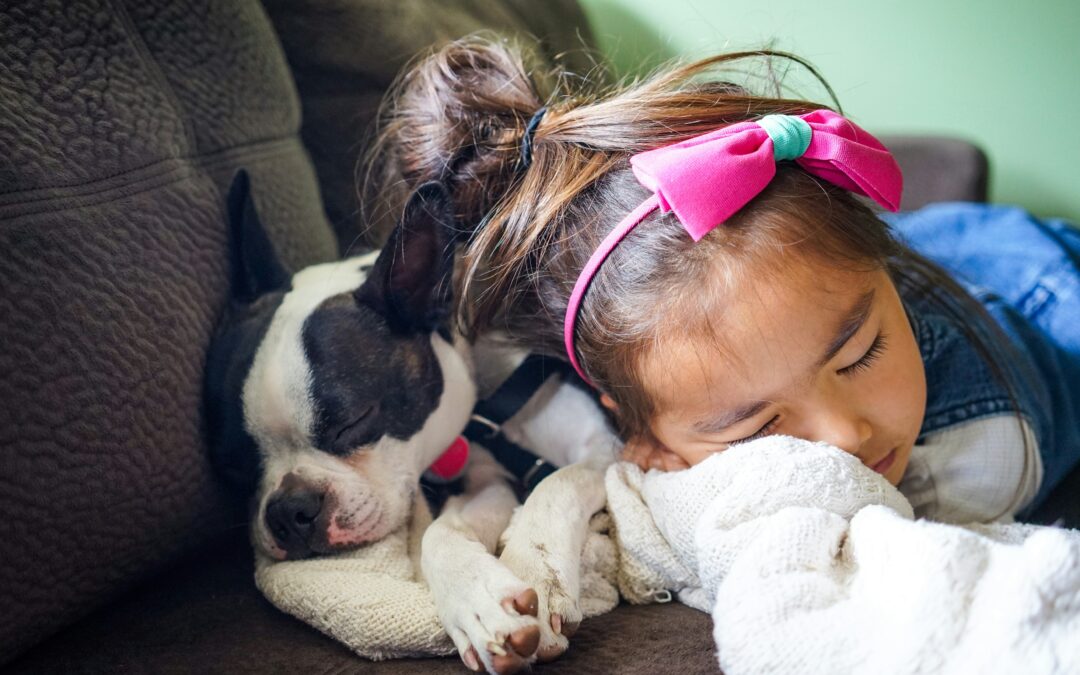
This trend toward treating pets as family is further evidenced by sleeping arrangements. A whopping 76% of dog owners allow their pets to sleep on their beds, with single dog owners showing even higher rates at 80%. This intimate living arrangement reflects the deep emotional bonds that modern pet owners seek to cultivate, bonds that extend into daily activities and shared experiences.
Regional variations also play a role in pet ownership and engagement. Idaho leads in dog ownership at 58.3%, followed by Montana and West Virginia. These geographic patterns often correlate with lifestyle factors, such as access to outdoor spaces and cultural attitudes toward pet integration into daily life.
The Science Behind the Bond
The scientific understanding of the human-animal bond has evolved significantly, providing a robust foundation for recommending specific activities. Research consistently demonstrates that this bond produces measurable physiological and psychological benefits. The Human Animal Bond Research Institute (HABRI) has documented that scientifically-proven benefits of human-animal interaction include decreased blood pressure, reduced anxiety, and enhanced feelings of well-being.
The neurochemical mechanisms underlying these benefits center largely on oxytocin, a neuropeptide recognized for its role in bonding, socialization, and stress relief. Studies have demonstrated that human-animal interaction increases oxytocin levels in the brain, and this elevation occurs in both humans and animals during shared activities. This reciprocal neurochemical response suggests that engaging activities benefit both participants in the human-animal partnership.
Recent research from Trinity College examined how human-animal bonds and interactions impact human mental health, revealing that more frequent interactions with pets, including affection, play, grooming, and time spent together, were linked to stronger and more secure human-pet bonds. This research emphasizes that the key to building strong bonds lies in consistent, varied engagement that addresses different aspects of the relationship, from physical care to emotional connection to playful interaction.
A comprehensive meta-analysis examining pet ownership’s impact on physical activity revealed that pets have a moderately significant positive effect on owners’ physical activity levels compared to non-pet owners. This research provides scientific validation for activity-based approaches to pet ownership, demonstrating that engagement activities serve dual purposes of strengthening bonds and promoting physical health for both pets and owners.
Outdoor Adventures: Unleashing Fun and Fitness
Let’s start with the great outdoors! Dogs need daily exercise ranging from 30 minutes to two hours, depending on age, breed, and health status, while cats require approximately 30 minutes of intentional exercise daily. But instead of viewing this as a chore, let’s transform it into an opportunity for shared adventure.
Walking is the most fundamental shared physical activity, but it doesn’t have to be limited to a standard stroll. For dogs, vary your routes to provide mental stimulation, incorporate training exercises, and use walks as opportunities for scent exploration (sniffing is their version of reading the daily news!).
For cats who are leash-trained or adventurous enough to explore the great outdoors, short walks in safe, quiet areas can provide incredible enrichment. Many cats enjoy exploring gardens, patios, or parks at their own pace. Just be sure to use a secure harness and keep sessions calm and positive. Even indoor-only cats can benefit from “window walks” with a cat tree near a sunny window or by creating a safe enclosed “catio” for fresh air and natural stimulation.
Interactive play isn’t just for dogs. Fetch, chase, and training games can be engaging for all pets. Dogs may enjoy “moving fetch,” where you race them to the toy, adding a cardio boost for you. Cats thrive on prey-style play, think feather wands, laser pointers, or treat balls that make them chase, pounce, and stalk. These mimic natural hunting behaviors and provide a satisfying physical and mental workout.
For adventurous duos, dog sports like agility training, tracking, or mantrailing. These activities require more time and skill but are excellent for teamwork and bonding. Meanwhile, cats excel at agility, too. Many enjoy weaving through tunnels, climbing cat trees, and even participating in organized feline agility courses (yes, they exist!). Both species benefit when activities challenge not just their bodies, but also their brains.
Swimming is another fantastic option for dogs, particularly those with joint issues who need low-impact exercise. While most cats aren’t fans of water, some breeds (like Bengals and Maine Coons) may surprise you with their curiosity. Always let your pet set the pace. Many owners are discovering the benefits of swimming with their pets, whether in natural bodies of water or specialized animal aquatic facilities.
Hiking has become a popular shared activity. Just remember to match the terrain and distance to your pet’s stamina and fitness level. Smaller pets might enjoy hitching a ride in a backpack once they tire out, while larger ones may love carrying their own gear.
If you’re in an urban environment, interactive play centers offer structured activities. Facilities like Dogtopia and Zoom Room offer structured playtime, agility courses, swimming pools, and social play areas. While cat cafés and climbing gyms give feline companions the same chance to socialize and explore safely. Hybrid concepts like Barktown in Chicago combine indoor dog parks with agility equipment, social play zones, and even dog-friendly cafés.
Indoor Delights: Mental Stimulation and Enrichment
Mental stimulation is just as important as physical exercise for both dogs and cats. It’s a powerful tool for addressing unwanted behavioral issues, promoting learning, and strengthening bonds between you and your pet through shared problem-solving experiences.
Puzzle feeders and interactive food-dispensing toys are great for both cats and dogs. They turn mealtime into a challenge, transforming eating from passive snacking into active problem-solving. From rolling treat balls for cats who love to bat and chase, to multi-step puzzles for dogs who enjoy a challenge, these tools make food more rewarding. Try phasing out traditional food bowls and providing meals exclusively through puzzle feeders. This slows down eating and engages your pet’s brain. Start simple (like hide-and-seek treats) and gradually introduce more complex puzzles.
Dogs aren’t the only ones who enjoy scent work; cats love it too! Hide treats, kibble, or toys around your home and encourage your pet to “hunt.” Cats especially enjoy foraging boxes filled with paper, tissue, or small crinkly balls with treats tucked inside. Dogs may enjoy scent boxes or backyard treasure hunts. These activities satisfy natural instincts while providing rich mental engagement.
Training sessions serve dual purposes as mental stimulation and bonding activities. For dogs, this could mean learning commands, tricks, or agility cues. For cats, training can include high fives, sits, spins, or even harness training. Positive reinforcement (with treats, toys, or praise) keeps it fun and helps strengthen communication and trust with your pet.
Environmental enrichment activities address the need for varied sensory experiences. Visual enrichment can include leaving movies playing for pets or providing windows with interesting views. Tactile enrichment involves introducing different textures through brushes, fabrics, or safe objects. Auditory enrichment includes playing various types of music or sounds designed for pets. Rotate toys, objects, and activities often to keep things fresh and prevent boredom.
Interactive technology opens up new opportunities for enrichment. Automated laser pointers, smart feeders, and motion-activated toys can provide independent playtime. Cats love chase games like lasers or feather wands, while dogs may engage with remote-controlled treat dispensers or puzzle apps.
The Rise of Pet Tech: Innovation in Activities
The integration of technology into pet care is rapidly evolving. The smart-connected pet collar market is estimated at $505.2 million in 2025, with a projected compound annual growth rate of 10.8% through 2032. These devices incorporate GPS, Bluetooth, and sensors to enhance safety and engagement.
Activity and health monitoring functions have evolved to include behavioral analysis, sleep pattern tracking, and even emotional state indicators. Multi-purpose monitoring systems combine location tracking, health monitoring, and behavioral analysis into integrated platforms.
Artificial intelligence is also making its mark in pet training and behavior modification. AI-powered training apps can analyze pet behavior patterns and provide personalized training recommendations. Virtual veterinary consultations and remote health monitoring are also becoming more common.
Holistic Wellness: Nurturing Mind, Body, and Spirit
The trend toward holistic pet care has expanded to include innovative activities that nurture not just the body, but also the mind and spirit, for cats and dogs alike. From spa-inspired services to mindful play, these approaches create well-rounded experiences that improve overall well-being.
Wellness retreats aren’t just for humans anymore. Canine retreats often feature hydrotherapy pools, massage, and aromatherapy, but feline-friendly versions are emerging too, with cat cafés and boutique lounges offering relaxation, gentle play, and calming environments. These experiences allow pets to unwind in settings tailored to their needs.
Alternative therapies, like acupuncture, can provide pain relief and help with mobility issues and stress. Pet massage techniques address muscle tension, improve circulation, and provide relaxation benefits. Aromatherapy, using pet-safe essential oils, can create a calming atmosphere.
Pet yoga (aka “doga”) involves shared stretches and poses that promote relaxation and connection. Many studios now offer yoga sessions where cats freely roam the room, creating a playful, stress-reducing environment. These experiences bring physical activity together with mindful bonding.
Holistic care extends to diet as well. Customized nutrition plans for cats and dogs is part of a comprehensive wellness approach, and can address individual health needs, from weight management to joint care. Nutritional counseling helps ensure pets receive balanced diets tailored to their unique lifestyles, supporting both longevity and vitality.
Overcoming Challenges: Expert Solutions
Pet ownership isn’t always smooth sailing. Behavioral issues, obesity, busy schedules, seasonal weather changes, and age-related limitations can all present challenges, but with a little creativity, they’re manageable.
Positive reinforcement is the foundation of effective behavior training for both cats and dogs. Counter-conditioning and desensitization techniques can address fears, reactivity, or other behavioral concerns. Even small daily sessions, like a quick trick during a dog walk or clicker training with a cat before dinner, can make a big difference.
Extreme heat, cold, or rain doesn’t have to put enrichment on pause. Dogs may enjoy stair climbing, hallway fetch, or indoor agility. Cats thrive on chase toys, cardboard box mazes, or laser play. Indoor activities provide physical outlets and mental stimulation when outdoor time isn’t possible.
As pets age, adapt activities to match their abilities. Shorter, gentler walks, swimming for dogs, or puzzle feeders for cats help maintain engagement while respecting physical limitations. Mental enrichment becomes especially important for seniors to stay sharp and fulfilled.
Households with multiple pets should balance group play with one-on-one time to ensure each animal feels valued. For limited spaces, creative options like vertical climbing areas for cats, cardboard tunnels, or secure “catios” offer stimulation without crowding. Dogs may benefit from interactive play centers, while both cats and dogs enjoy rotating toys and structured activities tailored to their personalities.
Celebrate the Journey
Engaging with your pet is a journey, not a destination. By incorporating these fun and meaningful activities into your daily routine, you’ll not only strengthen your bond but also enhance their overall well-being. So, get out there, explore new possibilities, and create lasting memories with your beloved companion!
Ready to take your pet engagement to the next level? Send us a note, share your favorite activities, and let’s inspire each other! And don’t forget to subscribe to our newsletter for more tips and tricks on pet care and wellness!