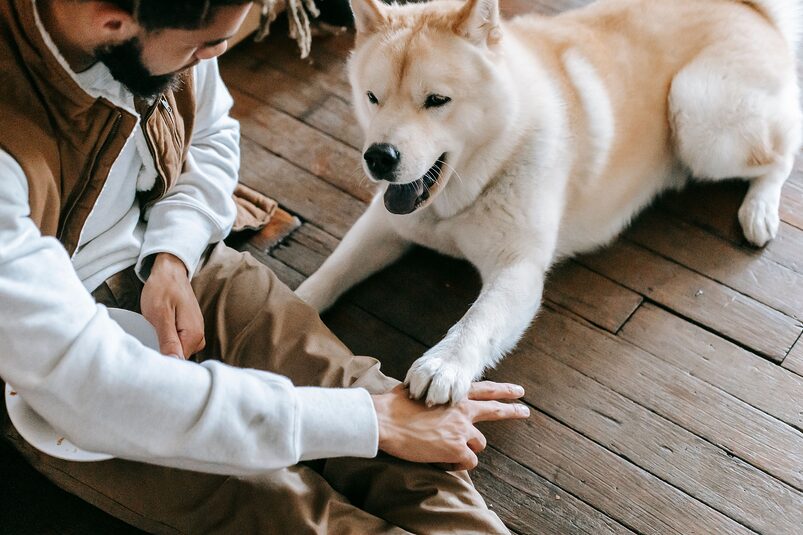
There’s something magical about turning an ordinary afternoon into a whirlwind of laughter, wagging tails, and pure joy. I’ve found that backyard games are one of the easiest and most rewarding ways to bring my family together. The fenced-in patch of green behind our house isn’t just a place for mowing and barbecues; it’s our playground, training ground, and stress reliever. If you’ve ever watched your dog and kids share bursts of playful energy, you know exactly how contagious that happiness can be.
When I first started planning backyard games, I was looking for something more than just fun. I wanted our time together to be safe, constructive, and meaningful. I hoped to create something that helped build confidence in the kids while strengthening my dog’s trust and focus. Over time, I learned that a few minutes of structured play can melt away boredom, encourage problem-solving, and leave everyone deliciously tired by sunset. From easy setups to wild giggles, this guide will help you create those same moments of connection that have completely transformed our family’s outdoor adventures.
There’s something truly bonding about seeing your child and dog learning side by side. The dog learns patience and impulse control while the kids learn empathy and consistency. The best part is that nobody even realizes they’re learning because they’re having so much fun. It’s just genuine connection disguised as a game.
Quick Safety and Setup
Before the action begins, I always do a quick safety sweep of the yard. It may sound boring, but it’s one of the most important steps for a successful afternoon. I walk the perimeter to make sure there are no sharp sticks, forgotten tools, or sneaky holes waiting to twist an ankle. If the sun’s out in full force, I set up a little shade station with a canopy or large umbrella and put a couple of bowls of fresh water nearby. Hydration and comfort are key to keeping playtime safe and enjoyable, especially during summer heat.
Next, I double-check the toys and surfaces we’ll use. Soft, rubberized balls and fabric frisbees are my go-to choices because they’re gentle on both small hands and dog teeth. I also make sure the play zones are on non-slip grass or mats, which help everyone avoid tumbles. Before we start any new game, I go over our “rules of fun”: gentle mouths, no pushing or rough pouncing, and lots of giggles. Once we’ve covered the basics, we all relax knowing that the fun ahead is both safe and carefree.
I’ve also learned to keep extra towels, a small first aid kit, and a bag of treats handy. It’s surprising how many little accidents you can avoid just by thinking one step ahead. Setting up a smooth, safe space means fewer interruptions and more time spent on the truly good stuff: bonding through play.
Classic Crowd-Pleasers
Some backyard games never get old, and this section covers the ones that always make our afternoons shine. One of our absolute favorites is hide and seek. I’ll have my dog sit and stay while one of the kids hides with a treat or toy. Then, at the big “Okay, find!” command, our furry detective bounds off to search. The joy in both my child’s laughter and my dog’s wagging tail makes this simple setup a timeless success.
Another sure winner is the bubble chase and pop party. We use a non-toxic, pet-safe bubble solution and let the kids blow bubbles into the air while the dog hops around trying to catch them. The excitement is infectious, and even older kids can’t resist joining in. I’ve started adding bubble wands of different shapes to make it even more visually fun. When the heat’s on, we turn to sprinkler fetch or create our own hose rainbow runs. Our dog ends up soaked, the kids shriek with joy, and everyone cools off in the process.
And when we want something calmer, we break out the frisbee rollers. Rolling the frisbee along the ground rather than launching it into the air keeps catches gentle and safe for smaller dogs. Everyone gets a chance to play, and it minimizes risk while still delivering all the fun of chase-and-return play.
On some evenings, when the sunset paints the sky orange, we replay our favorites all over again. It’s during these moments that I realize how much these games have become a part of our family rhythm. They’re more than entertainment—they’ve become traditions.
Sniff and Seek Adventures
Not all play has to be fast-paced. Sometimes, the best backyard games involve brains over brawn. Dogs experience the world mostly through scent, and giving them a chance to use that skill is incredibly rewarding. One weekend, I created a treat trail and treasure map, sprinkling small pieces of kibble or bits of carrot along a path around the garden. The kids drew “maps” with little X marks for trees or lawn ornaments, pretending to be explorers on a secret mission. Watching our dog sniff and follow the trail added a sense of wonder that captivated everyone.
Another favorite is the shell game, which needs nothing more than three cups and a treat. The kids love taking turns as the “dealer,” shuffling the cups while our dog watches eagerly. The moment the dog sniffs out the right cup, cheers erupt. It’s part training, part teamwork exercise, and entirely adorable.
To build complexity, we added scent boxes made from old shoeboxes. We punch holes in the lids and hide various-smelling treats or toys inside for the dog to identify. Over time, our dog’s focus and attention improved noticeably. The kids also began to appreciate their dog’s intelligence, realizing playtime isn’t always about speed. It’s about discovery and mutual understanding.
These quiet games are perfect when the energy level starts to dip. They train the dog’s mind while giving the kids a chance to lead and teach. That balance keeps everyone involved and learning.
DIY Backyard Agility
The phrase “agility course” might sound like something you’d see in a competition, but ours is pure do-it-yourself creativity. One of the easiest activities to set up is cushion jumps or broom handle cavaletti. By laying brooms across small boxes or cushions, we create a simple course that challenges balance and coordination. Our dog hops carefully while the kids clap and cheer, counting how many jumps she can make.
Next, we create a cone or bottle weave. Plastic cups or reused bottles in a line become an instant agility practice setup. It’s a mix of movement and mental focus that benefits both dog and kids. The best part? Rearranging the course to make new patterns takes only seconds.
For the grand finale, we built a box tunnel using old cardboard boxes from moving day, and we draped a blanket over part of it to create a fort-like tunnel. Watching the kids crawl through one side while calling the dog from the other is always a laugh-out-loud moment. These activities combine imagination, athleticism, and teamwork in a way that no store-bought toy could ever match.
The agility section has also taught my kids about patience. Sometimes the dog doesn’t get it right the first time. That’s when my kids step in with their most encouraging voices. Seeing them praise persistence instead of perfection is such a heartwarming experience that I wouldn’t trade for anything.
Teamwork for Kids
With multiple kids and one enthusiastic pup, I learned early on that success depends on organization. That’s where our “job cards” came in. Each child gets a designated task like the hider, the timer, the reward captain, or the course builder. No one feels left out, and everyone has ownership in the fun. This turns our backyard games into mini leadership exercises.
We also make a habit of practicing simple cue words together. Commands like “stay,” “find,” or “tunnel” become a shared language between the kids and our dog. When our family cheers and marks success with phrases like “Yes!” and “Good job!” it creates an atmosphere of positivity. These words connect the game’s energy directly to cooperation and kindness, values I love watching my kids develop naturally through play.
Some weekends, we hold “mini tournaments” where teamwork points mean more than speed. The kids quickly learn that helping a teammate or gently encouraging the dog scores higher than finishing first. It’s a clever way to teach empathy disguised as playtime.
Water Wise Play
When summer hits full stride, there’s no better way to burn energy than through water play. Our dog absolutely loves our splash mat, which turns the yard into a glistening mess of giggling chaos. The tiny fountains of water hiss and bubble, giving just enough spray to keep everyone cool without deep water worries. Kids stomp, the dog pounces, and everyone squeals.
Another favorite is our bob for floating toys setup. I fill a shallow bin of water and toss in lightweight rubber balls or small floating toys. It’s amazing how focused both the kids and the dog become as they wait for a toy to drift within reach. The simplicity keeps it low-stress and high-fun.
Then there’s our legendary sponge relay race. Two buckets, oversized sponges, and a time goal are all we need. The kids run back and forth soaking and squeezing, while the dog zigzags between them like a referee. Nobody stays dry, and that’s exactly the point. For safety, I always recommend checking resources like the ASPCA’s guide to summer pet safety to keep things cool, controlled, and fun even in the heat.
Sometimes, once the toys are packed away, the dog will find one last puddle and plop right down in it. That’s my cue to call it a day and head inside for treats and towels.
Calm‑Down Breaks
After so much excitement, everyone needs a cooling-off period. One of my favorite things to do is pull out lick mats filled with peanut butter or yogurt. They’re chilled in the fridge beforehand, turning snack time into a self-soothing activity. The kids sit close by, sometimes petting the dog gently while everyone catches their breath.
We also play a peaceful “settle on a mat” game. The goal is for the dog to lie calmly for short periods while the children mirror that calmness. It becomes a mindfulness session in disguise. The quiet togetherness afterward contrasts beautifully with the high-energy chaos of earlier games.
A post-play gentle brushing and praise session is my final ritual. The simple act of running a brush through fur while softly talking to my dog grounds us all in gratitude. It reminds me that play is fun, but presence is precious.
Small Yard or No‑Yard Swaps
Not every family has a big backyard, and that’s perfectly fine. On our small patio, we often create a leash maze using chairs and planters. It gives the same sense of challenge and teamwork as agility but in a confined space. For a quick mental game, we draw driveway scent trails using crumbs or pet-safe essential oils to lead to hidden toys.
Even short visits to local parks can inject variety into the same concept. We practice pocket‑park etiquette, which includes leashing, cleaning up promptly, and respecting other pet families. Outdoor adventures work beautifully even in compact spaces as long as kindness and awareness go along for the ride. The American Kennel Club’s outdoor play guide offers great advice for these public settings.
One trick for tight spaces is adjusting the intensity. Mini fetch, slower scent games, or puzzle toys can bring the same satisfaction as full-scale yard play. The goal is connection, not competition.
Easy Rotation Plan
To keep things fresh, I follow a 20‑minute circuit: sniff, move, calm. We start with a scent-based game, then switch to something active like fetch, and finish with a quiet cooldown like grooming or mat work. This rhythm fits well into our evening routines, keeps the dog engaged, and prevents overstimulation.
When we need variety, we introduce hard mode upgrades by adding longer trails, higher jumps, or extra cones. It gives the kids something to look forward to each weekend, and the dog thrives on the challenge. We always end on a win, celebrating with cheers, treats, and lots of praise before cleaning up and storing toys out of sight so excitement stays high the next time.
Quick Tips to Keep It Joyful
The easiest advice I can give is this: reward polite play and soft mouths every time. Whether your little one or your dog forgets a rule, gentle corrections and quick positivity keep everyone eager to try again. Dogs feed off our energy, and kids learn by observing the calm consistency we model.
Hydration is another key detail. Multiple water bowls or a small kiddie pool can save you from mid-play overheating. Rest breaks every 15 to 20 minutes make the fun last longer.
Finally, I like to rotate toys weekly. Using just a handful of favorites and swapping them out keeps each play session novel. It’s still the same old backyard, but the excitement never fades.
Final Thoughts
These backyard games have turned our patch of grass into the heart of our home. What began as a simple way to entertain restless kids and a bouncy dog evolved into a family ritual of connection and joy. It’s not about fancy equipment or expensive toys. It’s about shared laughter, patience, and a reminder that fun lives in the simplest acts.
By the end of the day, when the air cools and the sky stretches pink, I see my dog and my children sprawled out in the grass, tired and happy. It’s then that I feel the full reward of a well-spent afternoon: time together, time outdoors, and time well-lived.