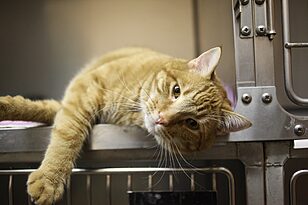
Cats are consistently overrepresented in shelters relative to dogs, and adopting a shelter cat is one of the most meaningful ways to make a genuine difference for an animal who needs a home. The process of adopting a shelter cat differs in several important ways from adopting a dog, shaped by feline-specific behavior patterns, adjustment timelines, and the particular considerations that come with a species known for its independence and sensitivity to environmental change. Understanding what adopting a shelter cat actually involves, both practically and emotionally, prepares you to support your new companion through the transition far more effectively than assuming the process will look identical to adopting any other animal.
Why Shelter Cats Need Advocates
Shelters across the country routinely see far more cats than available adoptive homes, particularly during kitten season when unplanned litters flood intake numbers dramatically. Shelter space impact is a genuine and pressing issue within animal welfare, and adopting a shelter cat directly relieves that pressure while giving an individual animal the chance at a stable, permanent home rather than an uncertain future in an overcrowded system.
Adult cats in particular are frequently overlooked in favor of kittens, despite adult cats often having more predictable, established personalities that make them easier to match successfully with the right household. Considering an adult cat when adopting a shelter cat can mean skipping some of the more unpredictable early development stages that come with a kitten while still forming a deeply rewarding bond with an animal genuinely grateful for a stable home.
Choosing the Right Cat for Your Household
Shelters and rescue organizations typically maintain detailed notes on each cat’s known temperament, activity level, and compatibility with children or other animals, information genuinely worth reviewing carefully before committing to adopting a shelter cat. Spending time directly with a specific cat, ideally across multiple visits, gives you a far more reliable sense of compatibility than reading a written description alone, since shelter environments themselves can significantly affect how a cat presents during a brief single encounter.
Rescue organization support during this selection process is genuinely valuable and worth utilizing fully. Staff and volunteers who have spent extended time with a specific cat often notice behavioral nuances, preferences, and needs that are not immediately obvious during a short visit, and asking direct questions about a cat’s history, known triggers, and general personality helps you make a genuinely informed decision rather than one based purely on which cat seemed friendliest during a brief interaction.
Preparing Your Home Before Adoption Day
Thoughtful preparation before adopting a shelter cat significantly smooths the transition once your new cat actually arrives home. Setting up a small, quiet room with food, water, a litter box, and comfortable hiding spots gives your cat a manageable, contained space to decompress before being introduced to the full scope of your home all at once. This gradual approach respects how overwhelming a completely new environment can feel to a cat coming directly from a shelter setting.
If you have existing pets, planning a slow, structured introduction process before adoption day arrives protects everyone’s comfort during those critical first encounters. Cats generally require a more gradual introduction process than some other animals, given their strong territorial instincts and sensitivity to unfamiliar scents and space, making patience during this preparation phase genuinely worthwhile for long-term household harmony.
The Decompression Period
Cats adopted from a shelter environment frequently need a genuine decompression period before their true personality begins to emerge. It is common for a newly adopted cat to spend the first several days hiding, eating minimally, or showing limited interest in interaction, none of which necessarily reflects their eventual settled temperament. This withdrawal is a normal, protective response to sudden, significant environmental change rather than a sign that something has gone wrong with the placement.
Resisting the urge to force interaction during this period, allowing your cat to approach you on their own terms as they gradually feel safer, produces considerably better long-term trust than repeatedly pulling a hiding cat out to socialize before they are genuinely ready. Most cats begin showing their authentic personality within one to two weeks, though cats with more difficult prior histories may understandably need longer.
Understanding Feral and Semi-Feral Adoptions
Some shelters place feral or semi-feral cats specifically as barn cats or outdoor working cats rather than typical indoor companions, and understanding this distinction matters considerably before adopting a shelter cat with limited prior human socialization. These cats generally do not adapt well to a fully indoor, hands-on companion role and instead thrive in a setting that respects their more independent, less socialized nature while still providing food, shelter, and basic care.
Being honest with yourself and with shelter staff about your expectations and living situation ensures a genuinely appropriate match rather than adopting a cat whose fundamental needs and temperament do not align with the role you are hoping they will fill in your household. Shelters experienced with feral and semi-feral cat placements can provide valuable, specific guidance about what a realistic relationship with this type of cat actually looks like.
Health Considerations for Shelter Cats
Shelter environments, despite dedicated staff efforts, carry some inherent risk of exposure to upper respiratory infections and other communicable conditions common in group housing settings. Scheduling a veterinary visit within the first week after adopting a shelter cat, even for a cat who appears entirely healthy, establishes a baseline health record and catches any developing issues before they become more serious or spread to other pets in your household.
Most reputable shelters provide documentation of vaccinations, spay or neuter status, and any known medical history at the time of adoption, records worth bringing to that first veterinary visit for a complete picture of your new cat’s health background. Discussing this documentation directly with your veterinarian helps establish an appropriate ongoing care plan tailored to your specific cat’s health history and current needs.
Building Trust With a Shelter Cat
Trust develops on a timeline that varies considerably from one cat to another, shaped heavily by their individual history and temperament before arriving at the shelter. Low-pressure, consistent daily interaction, offering treats, gentle conversation, and calm presence without forcing physical contact, builds trust gradually and reliably for most cats adjusting to a new home and a new person.
Celebrating small moments of progress, a cat choosing to sit nearby, accepting a gentle pet, or approaching voluntarily for the first time, helps maintain your own patience and motivation during a process that occasionally moves more slowly than anticipated. These small moments accumulate steadily into the genuine, trusting relationship most adopters are hoping to build with their new companion.
The Long-Term Reward of Adopting a Shelter Cat
Adopting a shelter cat consistently produces deeply rewarding, long-term companionship for owners willing to invest the patience the early adjustment period requires. Shelter cats, having experienced genuine uncertainty and instability before finding a permanent home, often form remarkably strong, appreciative bonds once they have settled fully into their new life and environment.
The decision to adopt directly supports the broader shelter system’s capacity to continue helping other animals in need, creating an impact that extends well beyond your individual cat. Approaching the process with patience, realistic expectations, and genuine commitment to supporting your new cat through their adjustment gives both of you the strongest possible foundation for a lasting, meaningful relationship.