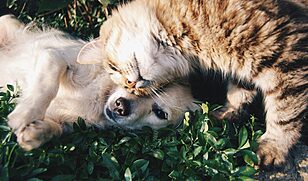
If you are searching for cat friendly dog breeds, you are already on the right path toward a peaceful, happy home. I have spent years working in the pet industry, organizing community events, reviewing products, and helping families build safe, respectful relationships between animals. In my own home, where my kids, cats, and dogs all share space, I have learned that harmony is not an accident. It is something we build intentionally with patience, knowledge, and a bit of humor along the way.
My journey started with a simple question from a neighbor who wanted to adopt a dog but worried about her senior cat. That conversation turned into workshops, rescue collaborations, and eventually my work as a product reviewer and advocate for ethical pet care. I have seen families succeed beautifully and I have also seen what happens when expectations are rushed. This guide brings together what I have learned through experience, research, and countless real-life introductions so you can confidently choose from cat friendly dog breeds and create a home where everyone feels safe.
Peaceful paws under one roof is totally doable
Living with both cats and dogs does not have to feel like a gamble. I have helped families transition from anxious introductions to calm coexistence, and the biggest takeaway is that success is absolutely achievable when you set the right foundation. Many people assume cats and dogs are natural enemies, but in reality, most conflicts come from misunderstandings rather than true incompatibility.
In my own home, I remember the first week after bringing in a new dog. My cat claimed the top of the bookshelf like a queen overseeing her kingdom, while the dog was fascinated but unsure. With structure, boundaries, and consistency, they moved from cautious observation to relaxed coexistence. Choosing from cat friendly dog breeds gives you a head start, but the real magic comes from how you guide the relationship from day one.
Temperament and introductions matter more than size
One of the biggest myths I work to dismantle in my community programs is the idea that smaller dogs are automatically better with cats. I have seen tiny dogs chase cats relentlessly and large dogs behave with incredible gentleness. Size is not the deciding factor. Temperament is everything.
Organizations like the American Veterinary Medical Association emphasize the importance of behavior and careful introductions when bringing different species together. Their research aligns closely with what I have observed in real homes. A calm, trainable dog with a lower prey drive will almost always integrate more smoothly than a high-energy dog with strong chasing instincts, regardless of size.
What makes a cat friendly dog?
When I evaluate cat friendly dog breeds, the first trait I look for is prey drive. Dogs with a strong instinct to chase moving objects can find cats irresistible, which makes early interactions stressful. Breeds known for cooperation and responsiveness to training tend to do much better in mixed-pet homes. A biddable dog, meaning one that is eager to learn and follow cues, gives you the ability to guide behavior early. In my product testing and training sessions, I always emphasize tools and techniques that reinforce calm responses. Dogs that naturally pause, observe, and respond to direction create a safer environment for cats.
Dogs communicate constantly through body language, and cats are very sensitive to those signals. A dog that approaches slowly, avoids direct staring, and uses relaxed movements is far less intimidating to a cat. These softer social signals are common in many cat friendly dog breeds. I have watched countless introductions where the difference between success and stress came down to how the dog approached. A calm sniff from a respectful distance versus a sudden rush can completely change the outcome. Encouraging curiosity without pressure allows both animals to feel in control.
Early exposure to cats is incredibly helpful, but it is not the only factor. I have worked with adult dogs who had never seen a cat and still learned to coexist peacefully with proper guidance. Socialization creates familiarity, but training and management build trust. The ASPCA provides excellent resources on introducing pets and understanding behavior. Their advice reinforces that consistency and positive reinforcement are key. Even if your dog did not grow up around cats, you can still create a safe and respectful relationship with the right approach.
Top cat compatible breeds at a glance
Golden Retriever: patient, people pleasing, trainable
Golden Retrievers are often my first recommendation for families seeking cat friendly dog breeds. Their patience and desire to please make them incredibly adaptable. They tend to respond well to training and are naturally gentle in their interactions. In my experience, Goldens often approach cats with curiosity rather than intensity. With guidance, they quickly learn boundaries and can become reliable companions. Their family-oriented nature also makes them great with children, which adds another layer of harmony to the household.
Labrador Retriever: friendly, adaptable, eager to learn
Labradors bring enthusiasm into any home, but they also bring a willingness to learn that is essential for living with cats. They are highly trainable and respond well to structured routines. I always remind families that Labs do have energy, so providing outlets like walks and play sessions is important. When their needs are met, they are far more likely to interact calmly with cats. Their adaptability makes them one of the most dependable cat friendly dog breeds.
Basset Hound: mellow, low key play style
Basset Hounds are often overlooked, but their laid-back personality can be a perfect match for cats. They are not typically interested in fast-paced chasing and prefer a slower lifestyle. In homes I have worked with, Bassets tend to coexist quietly with cats, often ignoring them altogether after the initial curiosity fades. Their low-key demeanor reduces tension and creates a peaceful environment.
Bichon Frise and Maltese: gentle companions, small stature
These small companion breeds are known for their gentle nature and affectionate personalities. While size alone is not the deciding factor, their temperament often aligns well with cats. I have seen Bichons and Maltese form close bonds with feline housemates, especially when introduced gradually. Their playful but non-threatening behavior makes them a great option for families seeking smaller cat friendly dog breeds.
Pug and Cavalier King Charles Spaniel: affectionate couch buddies
Pugs and Cavaliers are known for their love of comfort and companionship. They tend to prefer cuddling over chasing, which can be ideal in a home with cats. In my own circles, I have seen these breeds settle into routines where they share spaces peacefully with cats, often lounging together. Their easygoing nature makes introductions smoother and ongoing coexistence more relaxed.
Collie and Bernese Mountain Dog: steady, family minded
These breeds bring a calm, steady presence into the home. Collies are highly intelligent and responsive, while Bernese Mountain Dogs are known for their gentle temperament. Families I have worked with often appreciate how these dogs naturally adjust their behavior around cats. Their stability and patience make them strong candidates among cat friendly dog breeds.
Mixed breeds shine, temperament over labels
Some of the most successful cat and dog relationships I have seen involve mixed breed dogs. When adopting, focusing on temperament rather than breed labels can lead to wonderful outcomes. Shelters and rescues often provide valuable insight into a dog’s behavior around cats. I always encourage families to consider personality first, as it is the most reliable indicator of compatibility.
Match your household
Energy levels: zoomy pup plus chill cat needs structure. Matching energy levels is one of the most important factors in creating harmony. A high-energy dog paired with a relaxed cat can lead to frustration if not managed properly. In my home, I schedule active time for my dog and quiet time for my cat to ensure both needs are met. Structured routines help prevent unwanted interactions and keep everyone balanced.
Space planning: vertical perches and dog free zones. Cats need safe spaces where they can observe without being approached. Vertical perches, shelves, and gated areas allow them to retreat when needed. I always advise creating dog-free zones, especially during the early stages of introduction. These spaces give cats confidence and reduce stress, which leads to better long-term relationships.
Kid dynamics and visiting pets. Families with children need to consider how interactions are managed. Teaching kids to respect both animals is essential for maintaining harmony. Visiting pets can also disrupt routines, so planning ahead is important. Consistency helps reinforce boundaries and keeps both cats and dogs feeling secure.
Gold standard introductions
Scent swap first, then barrier hellos
The introduction process should begin before the animals even see each other. Swapping bedding or toys allows them to become familiar with each other’s scent. Barrier introductions, such as using a gate, provide a safe way to observe without direct contact. This step is crucial for building positive associations.
Parallel rewards for calm behavior
Rewarding both animals simultaneously for calm behavior reinforces the idea that good things happen when they are near each other. I often use treats, praise, or toys during these moments. Over time, this creates a strong positive connection that replaces uncertainty.
Short, frequent sessions ending on a win
Keeping sessions short prevents overwhelm and allows you to end on a positive note. Frequent, successful interactions build confidence. I always remind families that progress is not linear, but consistency will lead to success. Ending each session with calm behavior sets the tone for the next interaction.
Training for harmony
Leave it, settle on a mat, quiet cue
Teaching foundational commands is essential for managing interactions. “Leave it” helps prevent chasing, while “settle” encourages calm behavior. These cues become tools you can rely on in real-life situations. Training builds communication and trust between you and your dog.
Leash or drag line early on for safety
Using a leash or drag line during early interactions provides an extra layer of control. It allows you to intervene quickly if needed. This approach has helped many families I work with feel more confident during introductions. Safety always comes first.
Feed separately; guard litter boxes with gates
Feeding areas should be separate to prevent competition. Dogs are often drawn to cat food and litter boxes, which can create conflict. Simple solutions like baby gates can protect these spaces and maintain boundaries. Small adjustments make a big difference.
Daily life and enrichment
Dog walks and cat playtime on separate schedules
Balancing activity levels helps reduce tension. Scheduling dog walks and cat playtime separately ensures each pet gets focused attention. This routine prevents overstimulation and allows both animals to relax in shared spaces.
Sniff games, puzzle feeders, solo decompression
Mental stimulation is just as important as physical activity. Sniff games and puzzle feeders keep dogs engaged and reduce unwanted behaviors. Cats also benefit from interactive play and quiet downtime. Providing enrichment for both species supports overall harmony.
Rotate toys to prevent resource squabbles
Rotating toys keeps things interesting and prevents possessiveness. It also reduces the likelihood of competition between pets. In my home, this simple strategy has helped maintain a peaceful environment and kept both pets mentally stimulated.
Troubleshooting and red flags
Fixation, chasing, blocking doorways, what to do
Certain behaviors signal that adjustments are needed. Fixation, persistent chasing, or blocking access points should be addressed immediately. Redirecting behavior and reinforcing calm responses can help resolve these issues before they escalate.
When to call a trainer or vet behaviorist
If challenges persist, seeking professional help is a smart step. Trainers and behaviorists can provide tailored guidance. I have worked alongside many professionals who have transformed difficult situations into success stories.
Adjusting pace and expectations
Every pet is different, and progress may take time. Adjusting your pace and expectations ensures that both animals feel safe. Patience is one of the most valuable tools you have when building a multi-pet household.
Adoption and breeder questions
Ask about cat testing, calm greetings, startle recovery
When adopting or purchasing a dog, ask specific questions about behavior around cats. Observing how a dog responds to new situations can provide valuable insight. These details help you make informed decisions and set realistic expectations.
Foster to adopt options and trial meets
Foster-to-adopt programs allow you to test compatibility before committing. Trial meets can reveal how animals interact in real time. I strongly encourage families to take advantage of these opportunities whenever possible.
Health and grooming realities by breed
Understanding the care requirements of different breeds is essential. Grooming, health, and maintenance all play a role in long-term success. Being prepared ensures that your focus remains on building a positive relationship between your pets.
Quickstart checklist
- Supplies, safe zones, training plan
- Before bringing your dog home, gather essential supplies and set up safe zones. Having a plan in place reduces stress for everyone. Preparation creates a smoother transition and sets the stage for success.
- Three week integration roadmap
- The first three weeks are critical. Gradual introductions, consistent routines, and positive reinforcement should guide your approach. I often provide families with structured timelines to help them stay on track.
- Milestones to celebrate
- Celebrate small wins along the way. Calm interactions, shared spaces, and relaxed behavior are all signs of progress. Recognizing these milestones keeps you motivated and reinforces positive outcomes.
Final thoughts
Choosing from cat friendly dog breeds is an important step, but it is only the beginning. The real work lies in how you guide the relationship, create safe environments, and respond to each pet’s needs. Through my journey in the pet industry and my life at home with my own animals, I have learned that harmony is built through intention, patience, and love.
Families who invest the time and effort to do this right are rewarded with something truly special. Watching a cat and dog coexist peacefully, and sometimes even form a bond, is one of the most rewarding experiences you can have as a pet owner. With the right approach, your home can become a place where every paw feels safe and every relationship thrives.