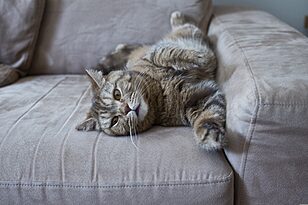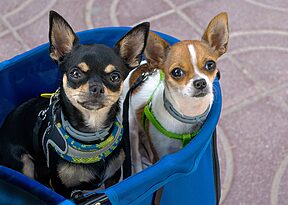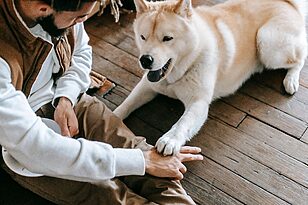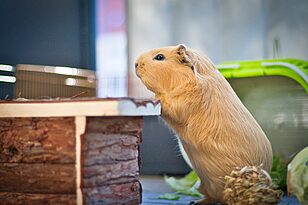
If there’s one thing every pet parent knows, it’s that pet hair has a way of multiplying. Whether it’s rolling across hardwood like furry tumbleweeds or clinging to the rug with mysterious determination, I’ve fought more battles with fur than I can count. Between juggling my college coursework in Business Management and my shifts as a retail associate at a busy pet supply store, I realized quickly that consistent cleaning needed a smarter solution—one that didn’t involve a lint roller in every room. That’s what led me to my fascination with robot vacuums. After countless hours testing, researching, and talking to other pet owners, I’ve rounded up the best robot vacuums for pet hair that make life easier (and a lot less hairy).
Bye Bye Fur Tumbleweeds, Hello Tidy Floors
You know that moment you finally sit down with a cup of coffee and spot a tumbleweed of pet hair rolling across the living room? Yeah, I’ve been there. It’s strangely comical until you realize that it’s shedding season—and your home is starting to look like a set from a Western.
That’s why having a robot vacuum designed for pet hair isn’t a luxury, it’s a necessity. The right one can handle fur clouds, fine dander, and even litter crumbs, all while running quietly enough to let your pets nap undisturbed. Unlike traditional vacuums that require weekend marathon sessions, these smart helpers let you maintain clean floors daily, without draining your energy.
The result? You come home to tidy floors instead of fur chaos. It’s peace of mind for pet owners everywhere, especially families like mine who are balancing work, school, and time with our furry companions.
Why Consistent Auto‑Cleaning Beats Weekend Marathons
Early on, I realized that cleaning once or twice a week just wasn’t enough. By day two, my shepherd mix had already redecorated the living room with a fresh coat of hair. Consistent, automated cleaning changed that completely. A robot vacuum that runs daily prevents fur from embedding deep into carpets or gathering into corners. It’s far easier to pick up loose fur right away than to wrestle it out of fibers days later.
Most modern robot vacuums now schedule cleanings automatically. You can set them to run while you’re out or asleep, letting them handle the mess before you even notice it. It’s like having a housekeeper who knows how to dodge the dog bowls and find the dust bunnies under the couch.
And while some people worry about running a robot vacuum every day, I’ve found it reduces allergy triggers and keeps the house looking freshly cleaned 24/7, minus the sore back.
How I Evaluate Pet Hair Vacuums
After years in the pet retail world and testing dozens of gadgets, I’ve developed my own set of standards for evaluating robot vacuums. The truth is, not every vacuum that claims it’s “great for pets” can handle real‑world messes: shedding, paw prints, and the occasional kibble explosion.
My evaluation process focuses on these factors:
- Suction power and airflow
- Brush design and hair‑wrap resistance
- Bin size and self‑emptying capability
- Obstacle detection and navigation
- Noise level, maintenance cost, and reliability over time
Let’s dive into each of these because each one plays a vital role in tackling pet hair effectively.
Suction Power and Airflow
Raw suction is the backbone of deep cleaning. The best vacuums use high airflow and suction pressure to lift embedded fur and fine dust particles from carpets. When you live with pets, you need that extra oomph. Lower suction vacuums may leave behind a thin film of dander that you only notice when your black socks turn fuzzy.
A great example is the Shark AV2501AE AI Robot Vacuum. With its powerful suction and Matrix Clean navigation, it systematically scrubs each section twice from different angles, ensuring no fur gets missed. Shark’s bagless self‑emptying system is also a favorite of mine—it’s cleaner, cost‑effective, and doesn’t require expensive bag refills.
Good airflow also helps a robot vacuum pick up fine allergens floating near the floor, a major plus for multi‑pet homes.
Brush Design and Hair‑Wrap Resistance
Nothing slows down a robot vacuum like a tangled brush roll. My early tests often ended with me sitting on the floor, scissors in hand, freeing long fur from bristles. Thankfully, design has evolved.
Many of the newer models, like the iRobot Roomba j9+, feature dual multi‑surface rubber rollers that resist hair wrap. Instead of trapping strands, they flex and lift fur without tangling. These dual rollers also stay close to the floor, maintaining constant contact for better pickup on both carpets and hard floors.
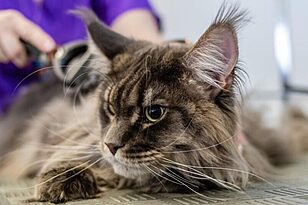
So if you’ve got a golden retriever or a fluffy cat like my Maine Coon, these anti‑tangle rollers are worth every penny.
Bin Size and Self‑Emptying Bases
Let’s talk capacity, because if your vacuum’s bin fills up mid‑clean, the fun’s over. Pet households generate more debris, from food crumbs to fur clumps. That’s why I love models that include self‑emptying bases.
The Shark AV2501AE can hold up to 60 days of debris, and it uses a HEPA‑sealed system to trap dander. Meanwhile, the iRobot j9+’s Clean Base automatically seals away pet hair so you never have to see (or smell) it. If you have multiple pets or a house larger than 1,200 square feet, these bases are essential for keeping maintenance to a minimum.
For smaller household setups, the ILIFE V5s Plus is a lightweight, budget‑friendly alternative. It doesn’t self‑empty but offers a surprisingly large dustbin for its price point.
Obstacle Avoidance, Mapping, and No‑Go Zones
If you’ve ever found your vacuum tangled in a phone charger or bumping your pet’s water bowl, you know navigation matters. Advanced mapping is crucial in homes with pets and kids alike.
The Roborock Qrevo S takes it to the next level with precise LiDAR mapping and 3D obstacle avoidance. It identifies toys, cords, and even, let’s say, “pet accidents” to avoid spreading them. It also allows you to draw no‑go zones from your phone, protecting feeding stations or play areas.
With reliable mapping, you can schedule room‑by‑room cleaning or target high‑shedding zones. It’s this level of control that separates premium models from budget ones.
Noise, Maintenance Cost, and Reliability
Quiet operation is a game‑changer, especially if you have noise‑sensitive pets. Most of today’s top robot vacuums stay under 60 decibels, about the volume of a normal conversation. My cats hardly notice when they run.
Maintenance is another piece of the puzzle. Filters, side brushes, and rollers require replacing every few months. Models like the Shark AV2501AE have easy‑remove parts and affordable replacements, while older or off‑brand units often hide screws behind panels or need special tools. Check that before buying. It’ll save frustration later.
And reliability? That’s where customer service and software updates come into play. Brands like iRobot and Roborock excel here, offering regular firmware updates that improve navigation and long‑term performance.
Suction and Brush Design
Here’s where I get a little nerdy. Not all suction or brush systems work the same way. Understanding the differences can make your purchase last longer and clean more effectively.
Rubber Dual‑Rollers vs. Bristle Brushes
Rubber rollers dominate now for good reason: less tangling, better contact, and easier cleaning. Bristle brushes still appear in budget vacuums like the ILIFE V5s Plus, but they need more frequent cleaning. For long‑haired breeds, dual rubber brushes win every time.
Edge Cleaning and Auto‑Boost on Carpets
Edge brushes pull hair away from walls and baseboards, which is essential for complete cleanup. Look for vacuums that automatically boost suction on carpets, like the Roomba j9+, which detects fabric surfaces and amps up power. It’s one of the smartest transitions I’ve tested.
Low‑Profile Units for Under‑Sofa Fur Bunnies
Slim vacuums, like the bObsweep PetHair SLAM, shine in tight spaces. If your pet loves to nap under furniture, this model slides underneath easily and collects the hidden fuzz colony down there.
Self‑Emptying Essentials
If you’re tired of dumping canisters daily, self‑emptying is a must. Shark and iRobot both excel here, but there’s nuance to consider.
Bag Capacity and Odor Control
The Shark AI Ultra uses a bagless base with HEPA filtration, meaning less waste and lower costs. The Roomba j9+, on the other hand, uses a sealed bag system, which is more hygienic, especially for allergy sufferers.
When a Base is Worth It for Multi‑Pet Homes
If you have multiple pets or heavy shedders, a base isn’t optional. It’s sanity‑saving. It eliminates the need for daily emptying and keeps the system efficient for weeks. I learned this firsthand after fostering three kittens; trust me, that fur adds up fast.
Obstacle Avoidance for Pet Homes
Pet environments are unpredictable: toys on the floor, food bowls, cords, and even the occasional surprise accident. Advanced obstacle recognition makes a huge difference.
Pet Waste Detection and Toy‑Cord Dodging
Some high‑end vacuums now identify and avoid pet waste, a lifesaver that spares you from disaster. Models with AI‑powered vision or LiDAR can spot cables, shoes, and plush toys before running them over.
Camera vs. LiDAR Pros and Cons, Privacy Notes
Camera‑based models, like some iRobot units, see in greater detail but rely on light. LiDAR (used by Roborock) maps more precisely in low light. Personally, I prefer LiDAR for privacy and reliability. Why? Because it doesn’t send images anywhere.
Smart Mapping and Schedules
Mapping tech isn’t just a fancy add‑on, it streamlines your whole cleaning rhythm.
Room‑by‑Room Routines and High‑Traffic Focus Zones
You can create cleaning zones for your pet’s favorite hangouts or specify areas like the entryway where hair piles up. This way, the robot spends less time where it’s already clean and more where it matters.
Multi‑Floor Maps and Keep‑Out Lines
Homes with multiple levels can benefit from vacuums like the Roborock Qrevo S, which stores several maps. You can even draw virtual barriers around pet feeding corners to prevent nighttime noise mishaps.
App Features That Actually Help
Many vacuums come with app control, but not all are equal. I look for meaningful features: cleaning logs, maintenance alerts, live mapping, and voice‑assistant support.
The Shark AI app and iRobot Home app both come with scheduling and history tracking that help you spot shedding trends. This can be handy if you notice seasonal spikes. Bonus: voice commands through Alexa or Google Home make cleanup effortless when your hands are full of pet treats.
Hard Floors vs. Carpet
I’ve tested these vacuums on everything from tile to shag rugs. Performance can vary by surface type.
Fine Dust Pickup vs. Deep Pet Hair Extraction
Some units, like the Roborock Qrevo S, excel at fine dust pickup on hard floors thanks to precise suction channels. On carpets, models with higher suction (like the Roomba j9+) offer deeper cleaning, pulling out stubborn pet hair embedded in the fibers.
Threshold Climbing and Rug Tassel Handling
If you’ve got area rugs or uneven floors, choose a vacuum that can climb thresholds at least 0.8 inches. Bobsweep’s low‑profile design reduces tangles on rug tassels, too.
Quiet and Safe Operation
I respect any vacuum that doesn’t interrupt nap time. Mine or my dog’s.
Nap‑Friendly Schedules and Do‑Not‑Disturb Windows
Quiet models, such as the ILIFE V5s Plus, are perfect for smaller homes or apartments. You can schedule cleanings when you’re away or create “do‑not‑disturb” windows during study or sleep hours.
Night Runs vs. Daytime Tidy‑Ups
LiDAR mapping makes night cleaning possible without bumping into furniture. It’s oddly satisfying to wake up to clean floors, like furry chaos never happened.
Low‑Maintenance Ownership
Washable Filters and Easy‑Release Brush Rolls
A washable HEPA filter saves money and extends lifespan. Shark and Roborock include these, while others require periodic replacements.
Hair‑Comb Tools and Monthly Tune‑Ups
Every model I’ve tested includes a built‑in comb for detangling. Keeping brushes clean monthly maintains suction efficiency.
Replacement Parts and Annual Cost Snapshot
Budget about $40–$60 per year for filters, brushes, and side wheels. Since I handle these replacements for customers at my pet store, I can confirm this is standard across leading brands.
Picks by Need
Here’s how I’d narrow it down depending on your home:
-
Best Overall Pet Hair Performance: iRobot Roomba j9+
Powerhouse suction, pet waste detection, and reliable mapping for multi‑pet homes. -
Best Value for Most Homes: Shark AV2501AE AI Ultra
Bagless self‑emptying base and strong cleaning at a moderate price. -
Best for Long‑Haired Shedders: bObsweep PetHair SLAM
Tangle‑resistant brush and slim design ideal for under‑furniture cleaning. -
Best for Multi‑Pet, Multi‑Room Cleaning: Roborock Qrevo S
Excellent mapping, obstacle avoidance, and hybrid mop function. -
Best Budget Pick for Apartments: ILIFE V5s Plus
Quiet, compact, and surprisingly capable for its price.
Setup for Maximum Hair Pickup
Before your first run, spend a few minutes prepping:
- Pick up cables, socks, and small toys
- Empty the main bin or bag
- Check the floor for stray pet treats or water spills
Then, schedule daily spot cleans in high‑traffic zones (think kitchen and living room) and run every other day for full coverage. I’ve found that creating small zones for litter and feeding areas keeps them spotless with minimal effort.
Troubleshooting
Even the best vacuums need a little attention.
Fixing Hair Wrap and Weak Suction
If suction drops, clean the rollers and side brushes. Check that filters are dry and free of clogs. Hair can hide behind brush caps.
Improving Navigation and Reducing Stuck Spots
Update the firmware via the app, reset the map, and use no‑go zones to keep trouble areas off‑limits.
When to Replace Filters, Brushes, and Bags
For pet homes, replace filters every two months, main brushes every six months, and base bags every 60 days.
Care Checklist
Consistency is key to keeping your pet hair vacuum in top shape:
- Weekly: Check brushes and wheels, remove hair, and wipe sensors.
- Monthly: Wash or replace filters.
- Quarterly: Deep clean sensors, wheels, and charging contacts.
A little TLC goes a long way. Most robot vacuums can last over five years with proper care.
As someone who’s grown up surrounded by pets and spent years working in the pet retail industry, I know the struggle of keeping hair under control. These robot vacuums aren’t just gadgets. They’re sanity savers. Choosing one that matches your home, flooring, and pets can transform your daily routine from chaotic cleanup to calm, consistent comfort.
If you’ve ever dreamed of saying goodbye to those fur tumbleweeds for good, now’s the time. Because life with pets should be full of wagging tails, not constant vacuuming.