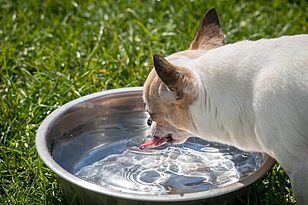
As someone who’s spent years immersed in the pet industry, I’ve come to realize that many pet owners unintentionally overlook a crucial aspect of their furry friends’ well-being: proper hydration. While traditional water bowls are commonplace, they often leave water stagnant and unappealing. Pet water fountains aren’t just fancy gadgets; they are practical investment in your pet’s long-term health, potentially preventing urinary tract infections, kidney disease, and chronic dehydration.
In this comprehensive guide, I’ll share my knowledge on selecting the best pet water fountains, examining how they work, what makes them effective, and which models truly deliver on their promises of clean, quiet hydration. Whether you’re a dog owner aiming to encourage better drinking habits or a cat lover trying to replicate the allure of a dripping faucet, understanding the pet water fountain landscape will empower you to make an informed decision that benefits both your pets and your household’s peace of mind.
Why Flowing Water Boosts Drinking and Overall Wellness
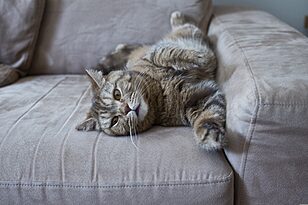
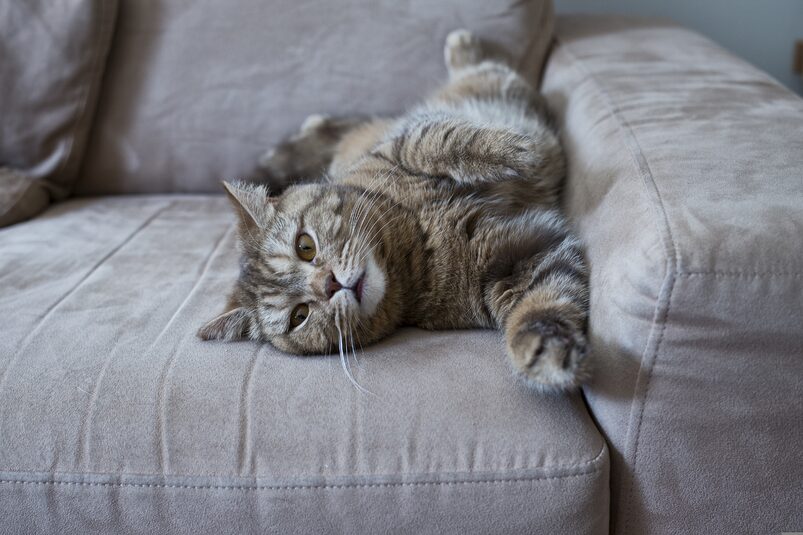
The connection between flowing water and pet hydration is deeply rooted in evolutionary biology and instinctual behavior. In the wild, moving water signifies freshness and safety, while stagnant water often poses a health risk due to bacteria and parasites. This instinct remains strong in our domestic cats and dogs, even in the safety of our homes. It’s interesting to note that cats, in particular, show a preference for flowing water over still water. One study showed that cats drinking from fountains consumed slightly more water overall compared with cats restricted to standard bowls. This increased water intake can have significant long-term hydration benefits, especially considering cats’ natural tendency towards mild dehydration due to their desert origins and low thirst drive.
The health implications of this preference are significant. When cats and dogs drink more water, their urine becomes more dilute, reducing the concentration of minerals and bacteria that can lead to crystals, stones, and urinary tract infections. This is especially crucial for male cats, whose narrower urethras make them prone to life-threatening urinary blockages. Research shows that increased water consumption promotes more frequent urination, flushing bacteria from the bladder before infections develop. Furthermore, proper hydration supports kidney function and can help prevent chronic kidney disease, a condition affecting 20-30% of older cats. The visual movement and sound of flowing water also stimulate the same neural pathways activated during hunting behavior, making drinking from a pet water fountain an enriching and engaging activity.
Understanding Clean and Quiet Performance in Your Daily Routine
When evaluating pet water fountains, “clean” and “quiet” have specific meanings in the context of daily pet care. Clean water isn’t just about appearance; it’s about the fountain’s ability to maintain water quality by removing hair, food particles, mineral deposits, and bacterial biofilm. A truly clean fountain achieves this through mechanical filtration, regular maintenance, and material choice, functioning reliably without developing the slimy film that indicates a poor design. This translates to water that smells fresh, tastes appealing to your pets, and poses no risk of bacterial overgrowth.
Quiet performance also has its nuances. A truly quiet pet water fountain operates at sound levels that don’t disrupt household peace or stress noise-sensitive pets, while still creating enough water movement to attract them. Most fountains produce some sound, ranging from nearly imperceptible (0-6 decibels for bubble-up models) to noticeable hums and splashes (14-18 decibels for waterfall designs). The challenge is finding the balance where water circulation attracts pets without creating persistent noise. A fountain’s noise depends on pump type, water path design, the height from which water falls, the landing surface, and the materials used. I’ve learned to distinguish between fountains that are quiet by accident and those engineered for silent operation, which makes a significant difference in long-term satisfaction.
How We Evaluate Pet Water Fountains
My evaluation process has evolved into a comprehensive framework considering multiple performance dimensions. I start by assessing if the fountain encourages pets to drink more water, based on understanding drinking behavior and examining the fountain’s design. I then consider practical aspects like water capacity (larger capacity reduces refill frequency but may take up space), the number of component parts (more parts mean more cleaning), and whether components are dishwasher safe. The filtration system is crucial; an ineffective filter defeats the fountain’s purpose, while an expensive or hard-to-find filter indicates poor product design.
Beyond these, I evaluate long-term cost of ownership, considering replacement part availability, pump reliability, filter replacement schedules and costs, and warranty coverage. I also conduct “quiet testing” in different environments to observe ambient hum or splashing noises. Material evaluation is critical, assessing whether stainless steel, ceramic, or plastic genuinely resist bacterial growth, scratching, odor absorption, and corrosion. Finally, I test the fountain under realistic conditions, observing how quickly mineral deposits accumulate or biofilm forms despite regular maintenance. This approach helps me understand which pet water fountains deliver genuine benefits over time.
Materials 101: Stainless Steel Versus Ceramic Versus Plastic
The material of a pet water fountain determines its ability to maintain clean, safe drinking water. Many pet owners underestimate the influence of materials on bacterial growth, odor retention, and water safety. Plastic fountains, while affordable, pose hygiene challenges. Plastic’s porous nature creates microscopic scratches during cleaning, which become breeding grounds for bacteria and biofilm. Some plastics contain BPA or other chemicals that can leach into water, especially with temperature fluctuations. Even “BPA-free” plastics often use problematic substitutes. Plastic fountains also absorb odors and tastes over time, discouraging pets from drinking and requiring frequent replacement.
Stainless steel fountains, particularly those made from food-grade 304 stainless steel, are a significant upgrade in hygiene and durability. Stainless steel is non-porous, preventing bacteria from taking hold. The smooth surface resists odor absorption and cleans easily without the risk of bacterial harboring. Stainless steel doesn’t rust or corrode and maintains its appearance over years of use. Most components in quality stainless steel fountains are dishwasher safe, simplifying maintenance. However, stainless steel fountains are more expensive than plastic, and some users report a subtle metallic taste in the water, though this varies by pet preference. Some stainless steel fountains use plastic pump components, undermining the hygiene advantages.
Ceramic fountains, especially high-fired ceramics, are the premium option recommended by veterinarians for their balance of hygiene, safety, and durability. The glazed surface of high-fired ceramic is essentially glass fused with the clay body during firing. This creates an impervious, non-absorbent surface that resists bacteria colonization and is aesthetically pleasing. High-fired ceramics from reputable manufacturers are certified food-safe with no risk of lead or harmful glazes leaching into water. The main drawbacks of ceramic fountains are their weight, fragility, and higher price point. Despite these limitations, the longevity of quality ceramic fountains and the superior drinking experience they provide make them a worthwhile investment.
Ease of Cleaning Matters: Creating Sustainable Maintenance Routines
Fountain cleanliness is a common reason why people abandon fountains after purchase, but proper maintenance is achievable with the right design. The fewer component parts and the simpler the design, the more likely an owner will maintain the fountain consistently. Fountains with excessive nooks and crannies require intensive scrubbing, which creates a maintenance burden that most people eventually abandon. Fountains designed with smooth surfaces, minimal hidden areas, and parts that separate easily for cleaning experience higher compliance with maintenance routines. Ceramic and stainless steel fountains with straightforward designs clean significantly faster than complex plastic models.
Daily maintenance involves emptying the water and rinsing the basin with fresh water to remove dust, hair, or debris. A microfiber cloth dampened with plain water works for wiping down surfaces without leaving residue. The water should be refilled with fresh, cool water, and filters should be inspected for buildup. Harsh soaps, bleaches, or abrasive sponges should be avoided, as these can compromise fountain materials and irritate pets’ systems. Weekly deep cleaning involves complete disassembly, soaking components in hot soapy water to loosen mineral deposits and residue. Components should be scrubbed using soft-bristled brushes, paying attention to interior basins and pump housings. Thorough rinsing ensures no soap residue remains, and air drying parts before reassembly helps kill remaining bacteria.
Monthly maintenance extends the fountain’s lifespan. This involves inspecting the unit for cracks, leaks, or signs of wear. Running the pump without the basin ensures a constant stream of water flows smoothly, checking for obstructions in tubing or blockages in the pump. For fountains in hard water areas, a vinegar solution (one part white vinegar to two parts water) can dissolve mineral deposits safely. The area surrounding the fountain should be disinfected with antibacterial wipes. Seasonal maintenance involves thorough inspection for damage, corrosion, leaks, or clogs, with parts replaced as needed.
Quiet Performance in Pet Water Fountains: Engineering for Peace
Quiet performance involves understanding the sources of noise and how fountain design minimizes these sounds. The loudest fountains typically feature designs that create turbulence or allow water to fall from significant heights into a basin, generating splashing sounds that can reach 15-18 decibels or higher. Fountains engineered for quiet operation employ smooth water streams that fall gently onto soft surfaces, bubble-up designs where water wells up gradually, or downflow designs that minimize impact noise, achieving sound levels as low as 0-6 decibels.
From an installation perspective, the location and support of the fountain influence its noise profile. When a fountain sits on a resonant surface like tile or hardwood, vibrations transmit directly into the floor, creating audible hum. Placing the fountain on a rubber mat or foam pad can reduce noise transmission. Some quieter fountain models use an isolated pump system that suspends the pump using vibration-dampening materials. Adjusting water flow speed can also affect noise, with lower flow rates producing less splashing and turbulence. For homes with noise-sensitive pets or apartments where quiet operation matters, selecting a fountain designed for low-noise operation is essential. Testing the model in person or seeking detailed reviews about noise performance proves valuable.
Water Quality and Filtration: The Hidden Key to Consistent Drinking
Effective water filtration is a crucial aspect of pet water fountains, as many pet owners focus on moving water without considering whether that water remains clean and appealing. Most quality fountains use multi-layer filtration systems that include activated carbon filters (removing odors, bad tastes, and chemical compounds), foam or cotton layers (trapping hair, debris, and fine particles), and sometimes ion exchange resins (softening water by reducing minerals). Filter replacement schedules matter because as filters accumulate debris and become saturated with contaminants, their effectiveness declines.
The frequency of filter replacement depends on household water quality, the number of pets using the fountain, and shedding. Most manufacturers recommend filter replacement every 2-4 weeks, though some filters claim longer useful lives. Pet owners who understand why frequent filter replacement matters show higher compliance, which pays dividends in water quality and pet health. When filters become clogged or exhausted, water looks cloudy, develops an off smell, or tastes stale to pets, discouraging drinking. A fountain with an effective, properly maintained filtration system provides water that is cleaner than most still water bowls. Consider filter cost and availability when selecting a fountain, as some models use proprietary filters that cost more or require special ordering, while others use standard filter sizes that can be sourced from multiple suppliers. Fountains using multi-stage filtration systems with activated carbon genuinely reduce chlorine and odors better than single-stage filters, resulting in more appealing water.
Capacity and Footprint: Matching the Fountain to Your Home
Pet water fountain capacity is a crucial practical consideration that impacts how often you refill the fountain and how long your pets have access to fresh water. For single-pet households, a capacity of 1.5 liters (approximately 50 ounces) provides sufficient water for several days. Multi-pet households benefit from larger capacity fountains ranging from 2-4 liters or larger models designed for multi-pet families. A capacity of at least 1.5 liters is generally recommended for multi-cat households to ensure adequate water availability. Larger capacity means less frequent refilling, which translates to better compliance with maintaining the fountain long-term.
The physical footprint of pet water fountains involves considerations beyond their base dimensions. Many fountains are compact and can fit under sinks, in corners, or on small tables, making them suitable for apartments. However, some larger models consume noticeable counter or floor space. Placement location significantly influences whether pets use the fountain, with success more likely when the fountain is positioned in areas where pets naturally congregate. The footprint of water splash and spill should also be considered; fountains with anti-splash designs minimize water escaping the drinking area. Cordless battery-operated fountains offer flexibility because they’re not tethered to power outlets, allowing placement in multiple locations.
Smart Features in Modern Pet Water Fountains: Technology Meets Hydration
App-connected, smart pet water fountains offer pet owners insight into their pets’ drinking patterns and fountain maintenance needs. These smart fountains connect to household WiFi networks and provide real-time monitoring of water levels, filter status, fountain operation, and tracking of individual pet water consumption. App notifications alert owners when water levels run low, filters need replacing, or problems develop with the pump. Some models provide detailed consumption data displayed as reports showing daily, weekly, or monthly trends, which helps owners identify whether their pets are drinking adequately.
Battery-operated and cordless pet water fountains improve on traditional plug-in models. These fountains free owners from tethering fountains to outlets, allowing flexible placement and portability. Modern rechargeable batteries provide impressive run times, with some fountains operating for 20-30 days on a single charge while featuring motion sensors that activate water flow only when pets approach. The combination of battery operation with smart features creates an appealing option for busy pet owners, as it eliminates both cord constraints and the manual task of monitoring filter and water levels. Smart features and battery operation do add cost, and pet owners should assess whether they’ll genuinely use these features or whether a simpler model better fits their lifestyle. For those who travel frequently or have struggled with remembering fountain maintenance, smart features provide value by automating reminders and enabling remote monitoring. The key is matching technology level to actual needs.
Top Picks by Need: Finding the Right Fountain for Your Situation
Based on my evaluation, I recommend different pet water fountains depending on specific household situations and priorities. For the best everyday stainless steel option that balances hygiene, durability, and affordability, the PetSafe Drinkwell Stainless Multi-Pet Fountain is an excellent choice. This fountain features food-grade stainless steel construction that resists bacteria and is easy to clean, with a 128-ounce (1-gallon) capacity suitable for multiple pets, adjustable stream attachments, and dishwasher-safe components. The dual carbon and foam filtration system removes impurities, and the circular 360-degree design allows pets to approach from any direction. This fountain provides genuine value, with readily available replacement parts ensuring long-term viability.
For multi-pet households with space constraints, the Petlibro Dockstream Battery-Operated Fountain combines cordless convenience with app-based monitoring that tracks individual pet water consumption. The rechargeable battery provides weeks of operation between charges, the motion sensor automatically activates water flow, and the app provides real-time alerts about filter status and water level. The stainless steel and ceramic materials resist bacteria while maintaining easy cleaning.
For data-focused pet owners who want comprehensive hydration insights, I recommend exploring the PAWAii Wireless Pet Water Fountain Pro or similar models that offer Wi-Fi connectivity, weighing base scales for precise consumption tracking, 7-layer filtration systems, and multiple operating modes. These fountains appeal to owners who want to optimize their pets’ hydration proactively and track whether drinking patterns indicate developing health concerns.
Safety and Reliability: Building Trust Through Quality and Warranty
When evaluating water fountain safety, I examine material safety (ensuring no harmful chemicals leach into water), design safety (checking for sharp edges, chewing hazards, or electrical risks), tip resistance (confirming the fountain won’t collapse or spill), and pump reliability (understanding lifespan and whether replacement parts are available). Food-grade stainless steel, high-fired ceramics with certified food-safe glazes, and BPA-free plastics represent the safest choices, while low-quality plastics or materials with lead content pose health risks. All components contacting water should be non-toxic and designed specifically for pet contact.
Electrical safety deserves attention, as fountains plug into wall outlets and involve water circulation, creating electrocution hazards if construction is poor. Quality fountains feature low-voltage submersible pumps designed for water contact, with waterproof connections and proper insulation. The power cord should feature automatic shutoff if the pump runs without water and sturdy construction that resists being chewed. Cordless battery-operated fountains eliminate electrical hazard concerns while offering placement flexibility.
Pump reliability is critical for long-term satisfaction. Better fountains feature pumps with accessible impellers that can be cleaned easily to remove hair, mineral deposits, and debris. Manufacturers’ warranty terms for pump function vary significantly. Understanding what water conditions might damage pumps helps owners make informed choices about whether they need special considerations like bottled water or additional mineral-removing filtration. I recommend selecting fountains from manufacturers offering readily available replacement parts at reasonable costs.
Making Your Final Decision on Pet Water Fountains
Choosing the right pet water fountain can significantly improve your pet’s hydration and overall well-being. By understanding the key criteria, materials, maintenance requirements, and available features, you can make an informed decision that benefits both you and your furry friend. Ready to upgrade your pet’s hydration? Explore the top picks mentioned above and find the perfect fountain to suit your needs. Your pet will thank you for it!